
Is There A Trick To Winning On Slot Machines?
Slot machines are one of the most recognisable features of both online and land-based casinos. They are colourful, fast-paced games that almost anyone can play without needing prior knowledge or skill.
Because of their popularity, one question often comes up: is there a trick to winning on slot machines?
This blog will explore some myths, the technology that powers slots, and the reasons why so many common “tricks” do not work. By understanding how modern machines function, you can see why outcomes are random and why cheating attempts are both ineffective and illegal.
Can You Trick A Slot Machine To Win?
Slot machines were first created in the late 1800s, beginning with the Liberty Bell machine designed by Charles Fey. Those early versions were entirely mechanical, using physical reels and basic mechanisms to produce results. Today’s machines are digital, with outcomes generated by computer software.
Because of this, old ideas of “tricking” a slot machine no longer apply. Claims such as using magnets or pressing certain buttons at the right time are based on myths or outdated machines. Regulated UK casinos use advanced systems that prevent tampering.
At the core of every machine is a Random Number Generator (RNG). This is a piece of software that constantly produces random sequences of numbers. Each spin of the reels corresponds to one of those sequences. The result is entirely unpredictable, and no player can know or influence which symbols will land.
Trying to cheat a slot is also a criminal offence in the UK. Anyone attempting it could potentially face prosecution, fines, or imprisonment.
Are There Any Slot Machine Cheats That Work?
There are no cheats that work on regulated UK slot machines. Online articles or word-of-mouth stories suggesting otherwise can be misleading.
In the past, some people attempted different ways of exploiting older machines. These included:
- Fake coins – in the 1990s, some tried to trick coin-operated slots using counterfeit tokens.
- Wire devices – sometimes called a “Monkey Paw,” designed to try and interfere with payout chutes.
- Yo-Yo coin tricks – attaching a string to a coin to try and pull it back after insertion.
- Bill devices – designed to try and make machines misread banknotes.
These methods were short-lived and largely ineffective, and anyone caught using them usually faced legal consequences. Modern slot machines, for example Big Bass Bonanza and Gates of Olympus, are fitted with advanced sensors, digital recognition systems, and protective software. This means cheats of this kind cannot succeed on today’s machines.
What Happens If You Put A Magnet On A Slot Machine?
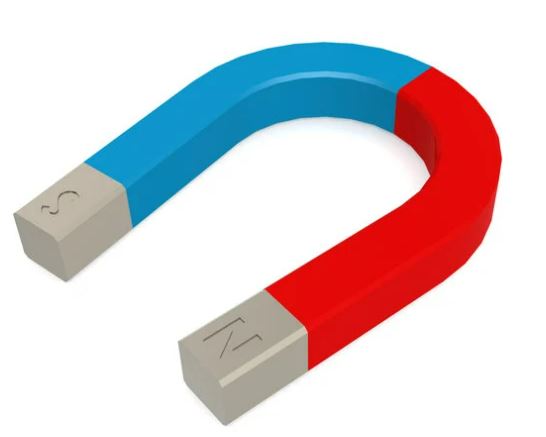
There is a common story that placing a magnet on the side of a slot machine could freeze the reels if they showed a winning line. This idea comes from very old mechanical models, which used physical reels.
Modern machines are electronic, and the reels you see are a visual display of the result already decided by the RNG. Even if the reels were stopped, the outcome would not change. Because of this, magnets have no impact on the result.
Any attempt to use physical tools or devices to interfere with a slot machine would also be classed as tampering, which is illegal.
Can You Hack A Slot Machine With An iPhone?
Smartphones are powerful, but they cannot hack slot machines in regulated casinos. The systems used are encrypted and tested under UK Gambling Commission standards, which means outside devices cannot interfere with them.
Where iPhones and other smartphones are relevant is in accessing casino apps or websites to play games legitimately. Many casinos allow you to deposit funds, view the paytable, or play slot games directly from your phone. But the phone itself cannot be used to manipulate results.
Play Slots & Online Casino Games


Is There Any Secret Slot Machine Button Sequence?
Some people claim pressing certain buttons in a specific sequence can trigger a win. This is a myth.
Slot machines are programmed so that the outcome of each spin is already set the moment you press the spin button. What happens on the screen afterwards is simply a display of that result. Pressing additional buttons or timing spins has no effect on what the RNG has already decided.
This means there is no hidden sequence or pattern that can be discovered.
How Do Slot Machines Determine Who Wins?

Slot machines do not choose players who win. Instead, they use RNG software to generate results. The symbols shown on the reels are simply a visual representation of those results.
If the symbols match a winning combination set out in the game’s paytable, a payout is triggered. If they do not, the spin ends without a win. It is entirely based on chance, with no outside influence.
Slots also have what is known as a Return to Player (RTP) percentage. This is a theoretical figure, tested over millions of simulated spins, showing how much of the money wagered could be returned to players in the long term.
For example, a slot with a 95% RTP means that, in theory, £95 could be returned for every £100 wagered over a long period of time. In practice, your personal results will vary because each spin is random.
Another important factor is volatility. High-volatility slots may pay out less frequently, but offer the possibility for larger amounts, while low-volatility slots tend to offer smaller, and potentially more regular wins. Understanding the RTP and volatility can help you choose a slot game that suits your personal preference, but it does not guarantee any winnings.
Slot machines are designed as entertainment, not a way to make money. Winnings cannot be guaranteed, as every spin is random and independent of the last.
If you choose to play, it may help to:
- Set a personal spending limit before you start.
- Decide how long you want to play for.
- Take breaks to keep track of time and money.
The UK Gambling Commission requires licensed casinos to provide tools such as deposit limits and time reminders. These are in place to support safer gambling.
*All values (Bet Levels, Maximum Wins etc.) mentioned in relation to these slot games are subject to change at any time. Game features mentioned may not be available in some jurisdictions.
**The information provided in this blog is intended for educational purposes and should not be construed as betting advice or a guarantee of success. Always gamble responsibly.