
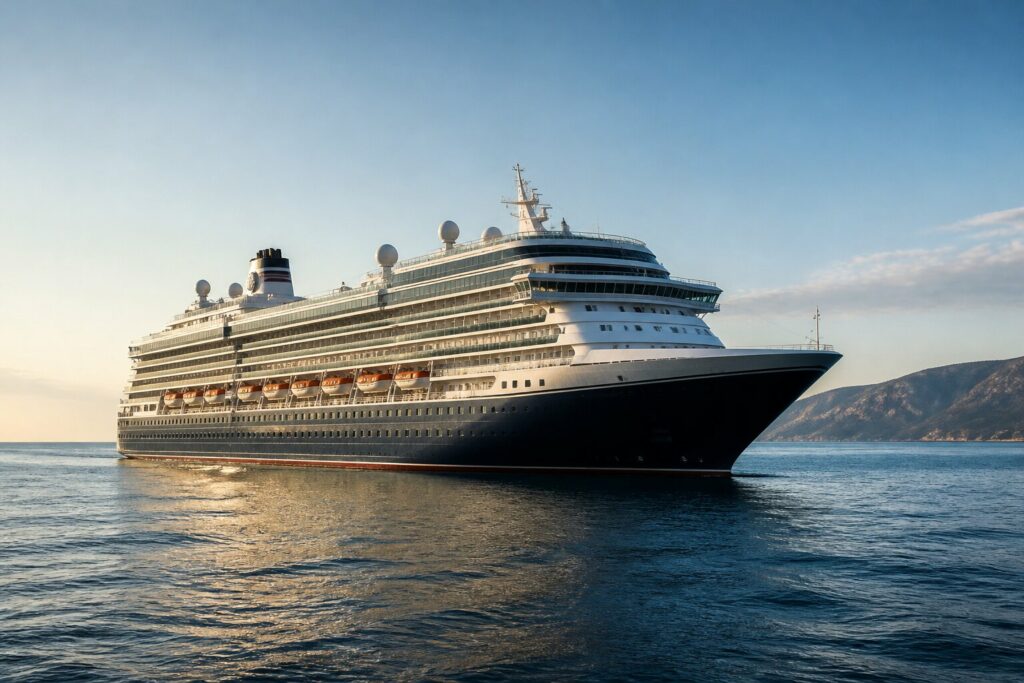
Do Casinos on Cruise Ships Pay Out: Key Facts Worth Knowing
Picture this: you’re gliding across the open sea, cocktail in hand, with the endless horizon outside and the bright lights of a casino inside. Tempting, isn’t it? For many Brits, having a flutter while sailing seems like the perfect way to add a little extra to a holiday. But have you ever wondered whether those cruise ship casinos are paying out what they should?
It’s easy to assume that a casino is a casino, whether it’s moored in Southampton or cruising offshore. With ships registered in a range of countries and operating under different legal frameworks, questions arise about fairness, payouts and the protections available to passengers.
Before putting another pound into a slot, it helps to understand how these casinos work and what to expect if you win. The following sections explain how cruise ship casinos operate, how they are regulated, how payouts are handled and what legal rules apply.
How Do Cruise Ship Casinos Operate?
Casino areas on cruise ships are set up to be a familiar entertainment space: rows of slot machines, a handful of table games and the same showy atmosphere you’d find in many land venues. What changes is when and how those games can run. Many ships keep their casinos closed in port and reopen once they are beyond territorial waters, generally when they are some distance from shore and operating under the ship’s flag state.
The assortment of games tends to mirror what you would expect at a typical UK casino: traditional reel and video slots, blackjack, roulette, and poker variants. Minimum bets are often lower than in some land casinos to suit a holiday crowd, though higher-stakes tables do appear on larger ships. The essential difference is the legal framework: the ship’s country of registration determines which gambling rules apply while the vessel is outside territorial waters.
How that jurisdiction treats gaming affects machine settings, record-keeping and consumer protections, so the practical experience can vary from one cruise line to another. With that in mind, the next section looks at how these casinos are regulated and what that means for players.
Are Casino Payouts on Cruise Ships Regulated?
Cruise ship casinos are generally subject to the laws of the country where the ship is registered, not the UK Gambling Commission. Many vessels fly flags from jurisdictions such as Malta, the Bahamas or Bermuda, and those flag states set the baseline rules for gambling aboard their ships.
Regulatory approaches vary. Some flag states require regular inspections and clear reporting of machine performance, while others insist on less frequent oversight. That variation can affect transparency around payout percentages and the availability of formal dispute processes. In practice, this means that although a cruise ship’s casino is regulated to some extent, the level of consumer protection and the mechanisms for enforcement may not match what is customary for UK-licensed establishments.
Understanding which jurisdiction applies to a given ship helps set realistic expectations about protections and how payout matters would be handled.
Common Payment Methods & Currency Used
Most cruise ship casinos operate using cash and the ship’s onboard account system. US dollars are commonly accepted for buying chips or credits, even when the voyage departs from UK ports or carries many British passengers. Sterling is less frequently taken directly, so converting pounds to dollars or charging your onboard account is often necessary.
Onboard accounts are usually linked to your cabin card. You can authorise a charge to that account from a debit or credit card and then use the card as a means to access funds for gaming. Bear in mind that card transactions may incur foreign-transaction or conversion fees from your bank, and the ship’s payment processes typically settle in the currency the casino uses, so your cardholder statement may reflect those conversions.
When you cash out, the casino is likely to pay winnings in its operating currency. This can mean converting back to sterling on disembarkation, which may involve exchange costs. These practical currency considerations influence both the convenience of play and the net value of any payout.
Payout Rates vs. Land-Based Casinos: Is There a Difference?
Return-to-player percentages (RTPs) for slot machines and other games may be lower on some cruise ships than they are in UK casinos. UK regulations set minimum standards and encourage higher average RTPs—many modern slots in UK venues return in the 90–97% range. Cruise ship machines, operating under different jurisdictional rules, can show RTPs that are significantly lower in some cases.
Table games such as blackjack and roulette usually maintain familiar house edges, but differences in rules and payout structures can change the effective return for players. Additionally, cruise casinos may use a mix of older and newer machines; older hardware can sometimes have lower programmed returns.
Being aware that payout rates can vary helps set expectations about the likely long-term outcome of play. Next, we’ll examine how fairness and oversight are handled aboard ships, since RTP figures are only one part of the picture.
Can You Trust the Honesty of Cruise Ship Casinos?
Most major cruise lines treat their onboard casinos as reputational assets and generally aim to run them professionally. However, the absence of UK regulation means the formal oversight mechanisms may be less comprehensive. Players should therefore be mindful of the specific practices and complaint routes in place on the ship they’re sailing with.
A practical indicator of reliability is how openly a cruise line communicates about its gaming operations: visible surveillance, trained staff, published machine maintenance schedules and clear procedures for resolving disputes are reassuring signs. Some lines commission independent testing of their machines; when that information is available it strengthens confidence in the fairness of play.
If concerns arise while onboard, the hotel or guest services team is usually the first point of contact; for more formal issues, the ship’s flag-state regulator would be the relevant authority once you have disembarked. The following subsection explains how machines and games are typically monitored in practice.
How Are Casino Machines and Games Monitored?
There are several common methods used to maintain game integrity on cruise ships. Routine physical maintenance and software checks are conducted on machines to ensure they operate as intended. Casinos also use video surveillance and staff oversight at tables and slot banks to deter tampering and detect irregularities.
Independent testing companies sometimes perform audits of machine software and random-number-generators, providing an extra layer of assurance when those reports are published. Trained dealers and security personnel monitor table play to prevent collusion or cheating. While these measures mirror standard industry practice, the frequency and visibility of audits can be less consistent than in jurisdictions with stricter regulatory demands.
Knowing how monitoring is handled helps when deciding whether and how to play, and the next section outlines the tax implications that most UK travellers can expect.
Are Winnings Taxed When Gambling on Cruise Ships?
For most UK residents who gamble recreationally, winnings from casinos—whether ashore or aboard a ship—are not taxable income. The tax position remains the same for typical holidaymakers who play casually on a cruise: prizes and payouts do not generally need to be declared to HMRC.
Different rules may apply to those whose gambling activity is considered a trade or who live abroad, so individual circumstances can change the tax outcome. For the majority of British passengers, however, bringing cash winnings home does not create a tax liability.
Legal Considerations for British Travellers
There are a few practical legal points to bear in mind before participating in casino games at sea. Age limits vary between operators and can be set at 18 or 21 depending on the cruise line and the ship’s registration. Identification requirements may be stricter than onshore venues, with staff asking for passports or other photo ID to verify age and identity.
Because each flag state applies its own rules, a practice that is standard on one ship may differ on another. That affects complaint processes, the availability of published machine RTPs, and how disputes are resolved. It’s sensible to check the cruise line’s terms and the casino’s specific rules before placing any bets.
Above all, treat casino play as entertainment and budget for it as part of the holiday cost. With the legal and practical points covered, you can approach onboard gaming with clearer expectations and make informed choices about whether and how to join in.
Final statement: understanding how cruise ship casinos operate, how they are regulated and the practicalities of payments and payouts gives you the best foundation for deciding whether to play while at sea.
Play Casino Games at King Casino
We would love you to be part of our friendly community, where you can enjoy all the entertainment our casino has to offer in a welcoming atmosphere.
Joining us is straightforward: just set up your account, make your first deposit and you are ready to explore our site. We look forward to having you with us.
**The information provided in this blog is intended for educational purposes and should not be construed as betting advice or a guarantee of success. Always gamble responsibly.