
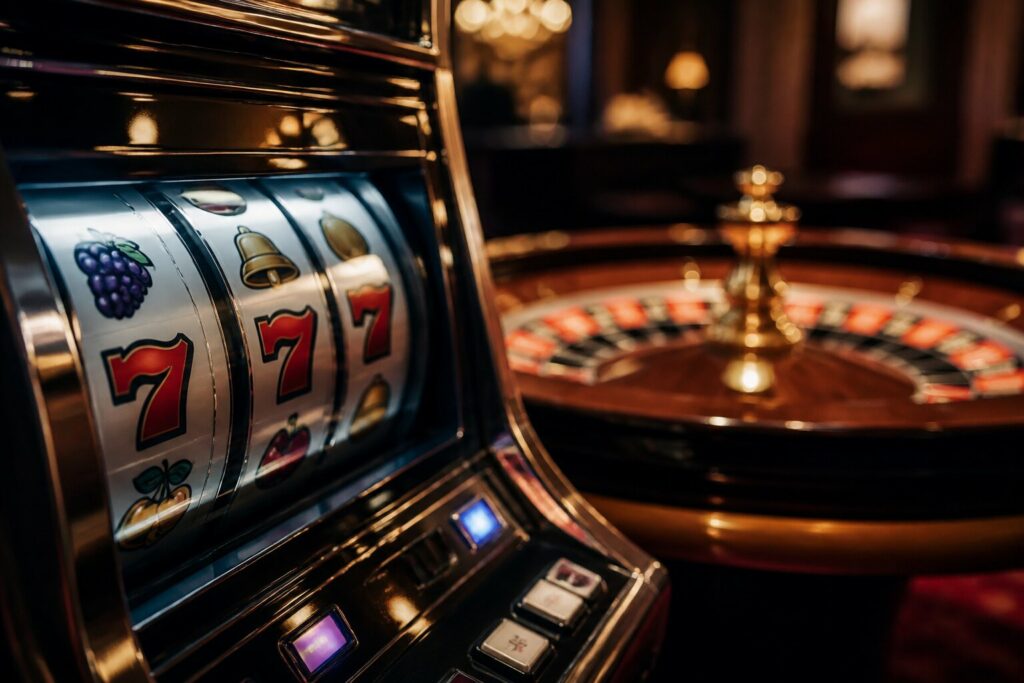
Slot Machines or Roulette: Which Offers Bigger Jackpots?
There’s a particular entertainment to watching the reels align or seeing the little white ball circle the wheel, with that electric moment before the result appears. Many players wonder where the biggest cash prizes really are — should they stick with spinning slots or try the roulette wheel?
Jackpots make headlines and can turn an ordinary visit into something memorable. Whether online or in a casino, people naturally ask where their pounds might deliver the biggest return.
The answer is not straightforward. Progressive slot jackpots have reached multi-million-pound levels, while roulette offers clear, sizeable single-spin payouts. Let’s take a closer look and see how these two options compare.
Comparing Slot Machine & Roulette Jackpots: What’s At Stake?
Slot machine jackpots in the UK often dominate the headlines, particularly with progressive slots. These games divert a small portion of each bet into a growing prize pot. Networked progressive jackpots, which link many games across sites, are how some pots swell to life-changing sums. For example, Mega Moolah has paid out jackpots well into seven figures. Fixed jackpot slots, such as Rainbow Riches Pot of Gold, typically reward smaller but still significant sums.
Roulette works differently. There is no accumulating jackpot; the largest payout on a standard European roulette table comes from a straight-up bet on a single number, paid at 35 to 1. Higher stakes raise the absolute prize, but operators usually set maximum payouts for individual tables, commonly ranging from a few thousand pounds to six figures on high-limit tables.
In short, progressive slots can offer headline-grabbing mega-jackpots, while roulette provides reliable, capped single-spin payouts. Next, we’ll unpack how progressive pools grow and why that matters for jackpot size.
How Are Progressive Jackpots Generated?
Progressive jackpots grow because each qualifying spin contributes a small percentage of its stake to a shared pot. Some progressives are local to a single machine or venue, but the largest prizes come from networked progressives that aggregate contributions from many players across different platforms. That collective pooling is why certain branded jackpots climb rapidly and reach very large totals.
Contributions tend to be a small fraction of each eligible bet, and multiple progressive tiers can coexist within the same game series, offering different target amounts such as hourly, daily or ultimate pots. When the jackpot is won, that particular prize is paid out and the meter resets according to the game’s rules.
Knowing how the pot builds helps explain why online progressives often produce much larger wins than fixed jackpots or single-table games. With that mechanism clear, let’s compare the maximum payouts historically seen on both formats.
Maximum Jackpot Payouts: Slot Machines vs Roulette
Slot machines, especially networked progressive titles, have produced some of the largest single-game jackpots in the UK. Mega Moolah has recorded seven-figure wins, and other progressive series have paid hundreds of thousands to millions. Fixed jackpot slots can offer substantial sums too, though usually well below the biggest progressive amounts.
Roulette payouts are limited by the 35:1 straight-up return and any operator-imposed cap. High-limit online tables may advertise maximum single-spin payouts that reach into the low six figures, while land-based tables typically have lower caps. The practical result is that the top advertised or recorded slot wins generally exceed what can be achieved on roulette in most venues.
With those top-end figures in mind, it is also useful to consider the underlying odds, which are markedly different between slots and roulette.
Game Odds Explained: Jackpot Chances on Slots vs Roulette
The odds for hitting a top progressive jackpot are usually extremely long. Estimates for some progressives put the chance of landing the main prize on a given spin at many millions to one, depending on the game’s design and the size of the jackpot at the time. Each spin is an independent random event, and previous outcomes do not affect future chances.
Roulette offers fixed, known odds. On a European wheel with 37 numbers, the probability of a single number coming in is 1 in 37, about 2.7 per cent. That fixed structure allows players to understand the mathematical expectation of each bet, whereas slot jackpot odds are structured into the game’s internal mechanics and are far less transparent to casual inspection.
Both formats are governed by random number generation and regulatory testing, so outcomes remain unpredictable. Understanding these differences in probability and transparency helps when deciding which experience aligns with personal preferences. The next section looks at how those preferences translate into a choice between the two games.
Which Game Should You Choose for Jackpot Wins?
Choosing between slots and roulette depends on what matters most: the chance of a headline jackpot or predictable, capped single-spin returns. Progressive slots are the path to the largest advertised prizes, but those wins are exceptionally rare. Roulette gives clearer odds and the possibility of a significant, though typically smaller, return on a single bet.
Players who enjoy bright features, bonus rounds and the occasional surprise payout may favour slots. Those who prefer the social and strategic feel of a table game, with clear odds for each wager, may find roulette more appealing. Both options offer valid forms of entertainment; selecting the one that fits the experience sought will usually lead to a more satisfying session.
Before moving on to common beliefs about jackpots, it is useful to address some widespread misunderstandings that can affect player expectations.
Myths & Misconceptions About Casino Jackpots
Many popular beliefs about how jackpots work are misleading. Regulation and testing are in place to ensure fairness, but myths persist that can shape how people play.
Do Casinos Control When Jackpots Drop?
A frequent misconception is that operators can select when to pay out a jackpot. In the UK, both physical and online games use random number generators that are independently tested to ensure randomness and fairness. Operators do not time or trigger payouts; the outcome of each play is random and cannot be prearranged by staff.
Are Online Jackpots Smaller Than In a Real Casino?
Another common belief is that land-based venues offer larger jackpots. In practice, online networked progressives often produce much larger pots because they collect contributions from many more players. Many online jackpots thus exceed the sums found at most individual venues, and both formats are regulated and subject to testing.
Clearing up these misconceptions helps set realistic expectations about potential returns and informs better choices about how to play. As you decide which game suits you, remember the role of random outcomes and the importance of staying within personal limits.
Play should remain entertainment first. Use the responsible-gambling tools available such as deposit limits and reality checks, and avoid chasing losses. Ultimately, whether you prefer the draw of a spinning reel or the tension of the roulette wheel, make choices that suit your preferences and circumstances.
Explore Casino Games at King Casino
Interested in seeing what makes playing casino games with us so enjoyable? We welcome you to explore a world of fun and entertainment, all in one place.
Getting involved is straightforward: create your account, make a deposit and enjoy our range of games. We look forward to seeing you at King Casino.
**The information provided in this blog is intended for educational purposes and should not be construed as betting advice or a guarantee of success. Always gamble responsibly.