
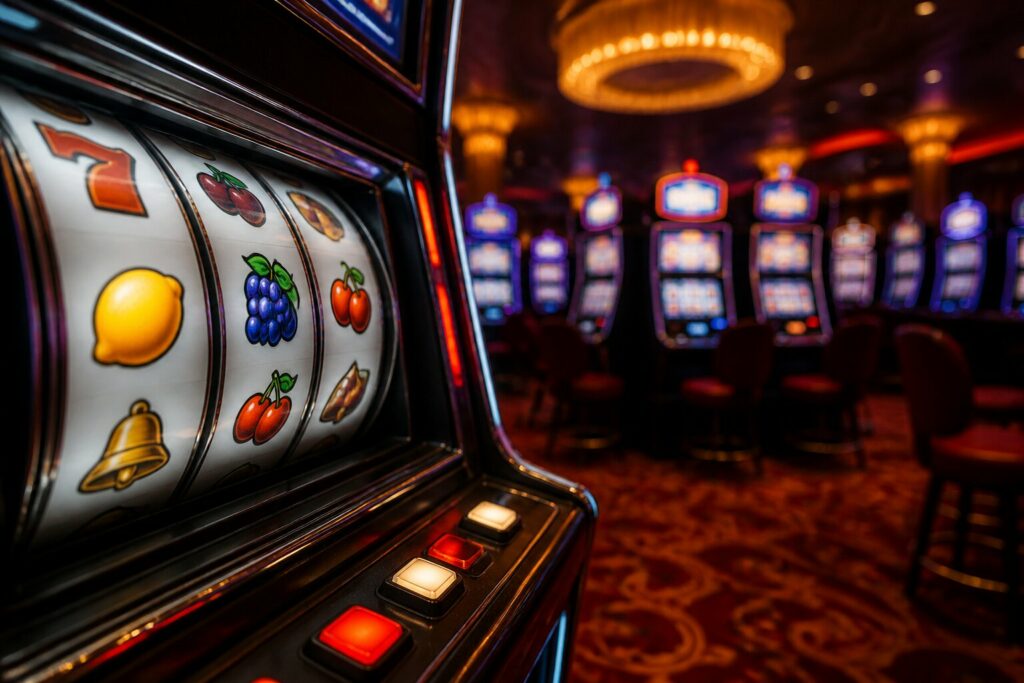
Slot Machines Randomness: Impact on Fairness and Player Outcomes
Ever wondered why some sessions deliver a win while others don’t? The explanation lies in how randomness is built into slots games and how that shapes every spin.
Understanding that process helps set sensible expectations and makes the experience clearer and more controlled. From the algorithm that picks outcomes to the rules that protect players, there’s a lot behind each spin worth knowing.
Let’s explore how randomness works in slots, what it means for fairness and results, and how players can manage their play with that knowledge.
How Does Randomness Work in Slot Machines?
Slot outcomes are determined by a Random Number Generator (RNG), a computer programme that produces a stream of numbers continuously. Each number corresponds to a particular reel position and symbol combination; when a player starts a spin, the current number is used to decide the result.
Because the RNG runs constantly and each spin samples a new number, outcomes are independent: the result of one spin does not affect the next. This independence prevents patterns or predictable sequences from emerging. The systems that supply and interpret these numbers are subject to regular testing and oversight to confirm they behave as intended.
Knowing that each spin is independent helps explain why results vary so much from session to session. With that technical foundation in place, it’s useful to look more closely at the RNG itself and how regulators check it.
Understanding Random Number Generators in Slots
An RNG is the central mechanism ensuring unpredictability. It generates long strings of values that map directly to how the reels stop and which symbols appear. Because these values are produced by a computer process, they can be examined and certified for statistical randomness.
Independent testing laboratories analyse RNGs to verify that the distribution of outcomes matches expectations and that no bias skews results. Certification is not a one-off event: games undergo initial approval and ongoing audits to confirm continued compliance with technical standards.
This certification gives players confidence that the underlying technology is functioning correctly. With a clear picture of how outcomes are created and checked, the next question becomes how fairness is defined and measured in a slot game.
What Makes a Slot Game Fair?
Fairness means every spin is treated the same and the odds are determined by the game’s design rather than by external interference. Two practical measures help define fairness: unbiased random outcomes (from the RNG) and transparent payout expectations, usually expressed as Return to Player (RTP).
RTP is a long-term average that describes the percentage of stakes a game is designed to return over many plays. It does not guarantee results for a single session, but it does set expectations about how the game will behave over a very large number of spins. Independent testing and regulatory checks ensure both the RNG and the reported RTP are accurate and not misleading.
With those safeguards in place, the system aims to offer a level playing field. That leads into how regulation enforces these standards and keeps games accountable.
Regulations Governing Fairness in Slot Machines
Regulatory frameworks require games to meet technical and transparency standards before they are offered to players. Independent laboratories carry out detailed checks on RNGs and the wider game mechanics to confirm outcomes align with the published RTP and statistical expectations.
In addition to technical testing, regulators set minimum payout levels that games must meet. These thresholds are intended to protect players by ensuring that games are not designed to return less than an acceptable proportion of stakes over time. Ongoing monitoring and reporting obligations keep operators subject to scrutiny throughout a game’s lifecycle.
Clear regulation and visible certification help maintain trust in the system and make it easier for players to understand the rules that govern game behaviour. Next, we’ll consider the practical implications of those rules for individual players: do they ever have any real control over outcomes?
Do Players Have Any Advantage or Control?
Players cannot influence the mathematical process that decides a spin. The RNG and game code determine outcomes, so personal actions—bet size, timing, or interaction style—do not change the probabilities encoded into the game.
Many common beliefs about getting an edge rely on perceiving patterns where none exist. Because each spin is independent, apparent streaks or clusters of wins and losses are statistical variation rather than signs of a controllable process. Accepting this helps frame play in realistic terms and avoid attempts to chase predictable returns.
Understanding the lack of player control also clarifies why managing expectations matters; the following section examines prevalent misconceptions that can lead people astray.
Common Myths About Slot Machine Outcomes
Popular myths include ideas that machines develop patterns, are “due” for a payout, or respond to particular behaviour. These are misconceptions rooted in how people interpret random sequences. Random processes often produce runs and gaps that look meaningful, but they are natural consequences of randomness rather than signals.
Statistical testing used by certification bodies demonstrates that machines do not store outcomes or adjust future spins based on past results. Recognising these facts reduces the chance of following ineffective strategies and encourages a clearer view of what to expect when playing.
With myths addressed, it’s important to understand the concrete ways randomness shapes player experiences and session results.
How Does Randomness Affect Player Outcomes?
Randomness produces wide short-term variation in results. Two players using the same game for the same number of spins can finish with very different outcomes because the distribution of wins and losses is inherently variable in the short term.
Over thousands or millions of spins, averages such as RTP become more meaningful and better reflect the game’s design. For individual sessions, however, any outcome is possible within the statistical framework the RNG provides. This explains why sessions can feel so different and why expectations should be based on long-term averages rather than single-session returns.
Knowing this, it’s useful to consider the structural advantage that sits behind those long-term averages: the house edge.
House Edge and Long-Term Results for Players
The house edge is the design feature that produces the gap between total stakes and total payouts over time. It is embedded in the paytables, symbol probabilities and bonus mechanics of a slot. RTP is simply the complementary measure expressed as the percentage a game is built to return on average.
While short-term results can swing widely, the house edge ensures that, across a very large number of spins, the operator’s share will prevail. Players may experience substantial wins or strings of losses, but those episodes occur within the broader statistical pattern the game was constructed to produce.
Understanding the house edge clarifies why play should be approached with clear expectations about potential outcomes. That perspective also informs how to approach play in a way that keeps it within personal limits.
Responsible Gambling in the Context of Randomness
Given that outcomes cannot be predicted or influenced, sensible play practices help maintain control and enjoyment. Setting firm limits on spending and session time, treating expenditure as entertainment outlay, and using account tools to moderate play are practical ways to keep gaming within personal boundaries.
If play starts to feel problematic, support services and self-exclusion tools exist to provide guidance and practical options for stepping back. These measures are part of a safety framework designed to protect players and promote safer engagement with games that are inherently unpredictable.
With a clear view of how randomness works and the protections in place, players can make informed choices about how they take part and what to expect from each session.
**The information provided in this blog is intended for educational purposes and should not be construed as betting advice or a guarantee of success. Always gamble responsibly.