

Max Poker Players Per Table: How Many Can Play in One Game?
How many people can sit at a poker table depends on the game you choose and where you play. Texas Hold’em, Omaha and Seven-Card Stud each have common table sizes that shape how the action flows.
If you are curious about how formats affect seat numbers, or how casino tables compare with home games and online rooms, this guide brings the key points together in one place.
Knowing what to expect makes it easier to pick a set-up that suits you, whether you prefer a busy table or a tighter group.
What Is The Standard Maximum Number Of Poker Players Per Table?
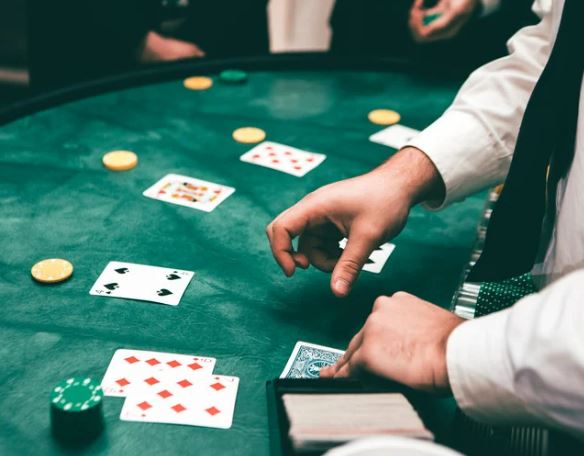
Most UK casino poker tables seat nine or ten players. This is often called a full ring game, the standard single-table set-up. You will also see short-handed tables that cap at six seats, commonly described as 6-max. Heads up simply means two players.
Home games sometimes run smaller or larger groups, but casinos and online rooms typically stick to the 9 or 10 seat cap for mainstream formats like Texas Hold’em and Omaha. Some online lobbies let hosts choose custom sizes, though the usual limits remain the most common.
Before you join, check the table description so you know the seat count and format. That raises a related question: what happens if someone tries to squeeze in one more chair?
Can You Play With More Than The Recommended Maximum?
In casinos and online, the number of seats is fixed. Adding extra players is not allowed because the seating plan protects game integrity, dealer procedures and security. It also keeps the hand order clear and the pace consistent.
In community-card games such as Hold’em and Omaha, the cap is mostly about comfort, space and orderly betting rather than running out of cards. In variants where each player receives several personal cards, like Seven-Card Stud, the deck can become a real constraint, which is why the maximum is lower.
In casual home games, people sometimes try to add extra seats, but it often creates practical problems. The game slows, blinds or antes become harder to track, mistakes creep in, and the experience can feel messy. These are the reasons formal games stick to strict seating limits.
If you are weighing up which format to play, it helps to know how each variant sets its table sizes.
Play Slots & Online Casino Games


What Are The Rules For Maximum Players In Popular Poker Variants?
When you switch between poker variants, the seat count can change because the dealing structure is different. Here is how the main formats are usually arranged in the UK.
Max Players in Texas Hold’em
Texas Hold’em typically runs with nine or ten seats for a full ring game. Shorter tables are common, too, especially 6-max, and there are dedicated heads-up tables for two players. Ten is generally the upper limit in live rooms.
Max Players in Omaha
Omaha uses similar seating to Hold’em. Full tables usually mean nine or ten players, while 6-max and heads-up options are widely available. Although each player gets four hole cards, the shared community board works well within these limits.
Max Players in Seven-Card Stud
Seven-Card Stud deals more individual cards to each player, so the cap is lower. Tables typically seat a maximum of eight. Some rooms use seven seats to ensure a single deck comfortably covers every street without needing to reshuffle discards mid-hand.
Table sizes can vary by venue, but these caps are the norms you will see most often. So, how does this translate to online play?
Does Online Poker Have The Same Player Limits As Live Games?
Online poker usually mirrors live seating. You will find 6-max, 9-handed and 10-handed tables across cash games and many tournaments. Heads-up is offered as its own format, and some sites add niche options such as 4-max or 5-max for players who like a brisker pace.
Large online tournaments may involve hundreds or thousands of entrants, but each table still runs with the same per-table caps. Some platforms also offer fast-fold variants where you move to a new hand as soon as you fold, yet the underlying tables remain 2, 6, 9 or 10-handed.
Before joining, check the table details so you know the seat count and structure. If you choose to play, set personal limits and only use money you can afford to spend. Poker involves chance, so outcomes are never guaranteed.
*All values (Bet Levels, Maximum Wins etc.) mentioned in relation to these games are subject to change at any time. Game features mentioned may not be available in some jurisdictions.
**The information provided in this blog is intended for educational purposes and should not be construed as betting advice or a guarantee of success. Always gamble responsibly.