

EuroMillions Players: How Many People Play Weekly, Monthly & Annually
Curious how many people take part in EuroMillions and how those numbers shift from one draw to the next? You are not alone. Player counts rise and fall through the year, and the headline totals you sometimes see often mix up tickets sold with the number of individual players.
In this guide, we set out how weekly, monthly and annual participation is typically understood, why you will rarely see a single definitive figure, and what the strongest indicators are. Along the way, we explain the methods used to estimate player numbers and which countries tend to contribute the largest share.
If you want a clear picture without the noise, this will help you read the numbers with confidence and see what really drives them.
How Many People Play EuroMillions Weekly?
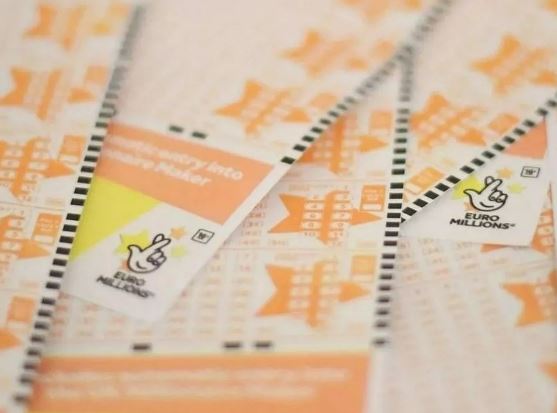
Weekly participation is best viewed per draw, because EuroMillions runs twice a week. The most reliable public number for any draw is the count of lines sold, not the count of unique players. Many people buy more than one line, some take part through syndicates, and others subscribe for multiple draws. All of that means the number of players is always lower than the number of lines.
On a typical draw, sales sit at a steady baseline. When the jackpot grows after a sequence of rollovers or during special event draws, sales rise sharply. That uplift mostly comes from occasional players joining in and regular players adding extra lines.
As a rule of thumb, large transnational lotteries often see unique players amount to somewhere below the total lines sold once you account for multi-line purchases and group entries. For illustration only, if a draw sold tens of millions of lines across all participating countries, the number of individual players would usually be notably lower after adjusting for people who buy several lines each and for syndicates. The key takeaway is that weekly player counts move with the draw’s appeal in that moment, and they change far more in peak weeks than in steady ones.
If you are wondering how that weekly picture scales over time, the next section joins the dots.
How Many People Play EuroMillions Monthly?
Across a typical month, there are eight or nine draws. Monthly participation is not just a straight multiple of a single draw, because many people do not play every time. Instead, analysts look at how many distinct individuals take part at least once during the month.
Monthly reach is therefore higher than any single draw’s player count. Steady weeks contribute a consistent base, while a run of rollovers or a highly publicised event draw brings in a wave of occasional participants who may only buy once or twice that month. Subscriptions and direct debit entries help smooth things, but they do not remove the month-to-month swings that follow jackpot headlines and media coverage.
In short, monthly figures capture both regular and occasional behaviour. That broader lens helps explain why annual totals are larger again.
How Many People Play EuroMillions Annually?
Annual participation asks a different question: how many people bought at least one EuroMillions ticket over the entire year. Because it aggregates across 100 or so draws, the reach is much wider than weekly or monthly counts.
Across the nine participating countries, the combined adult population is very large, and EuroMillions has wide awareness. In many markets, operator surveys and independent research tend to find that a sizeable share of adults buy at least one ticket in a typical year, even if they rarely play outside headline moments. Regular players contribute consistent entries throughout the year, while occasional players appear during big jackpot runs or special draws, then drop back again.
This annual view matters for understanding the scale of the player base, but it also masks the short-term swings that drive week-to-week sales. To unpack those swings, it helps to look at how estimates are built.
How Are EuroMillions Player Numbers Estimated?
No single public report gives a definitive count of unique players for every draw, month or year. Instead, estimates combine several indicators to build a rounded picture that is consistent over time.
Methods Used To Estimate Player Numbers
Analysts typically use a mix of approaches, each filling a different gap in the data:
- Sales-based modelling: start with lines sold per draw, then adjust for average lines per customer, subscriptions and syndicate participation to estimate unique players.
- Account and CRM indicators: use active verified online accounts, subscription counts and engagement metrics to triangulate participation beyond retail-only sales.
- Survey and panel data: incorporate market research on playing frequency and average spend to validate the sales-based model and refine assumptions.
Common Data Sources For Player Estimates
The strongest estimates draw from operator annual reports, audited financial statements, draw-by-draw sales disclosures, regulator publications and reputable market research. Online channel analytics and subscription volumes add colour on frequency and engagement, while periodic surveys help check whether assumptions about multi-line purchases and syndicates remain realistic.
Play Slots & Online Casino Games


Active Players Versus Occasional Players
Not everyone who takes part does so with the same regularity. A small core plays most draws, often through subscriptions or standing orders. A wider group plays irregularly, dipping in for a few weeks when a jackpot grows or when friends set up a syndicate. Many others buy a ticket only a handful of times a year.
This difference matters for interpretation. Active players support the baseline you see in ordinary weeks. Occasional players explain the sharp peaks around rollovers and special events. Syndicates also change the ratio of tickets to individuals, because one group purchase can represent many people, and larger groups often add more lines when jackpots climb. Keeping these patterns in mind helps make sense of why weekly and monthly counts move so differently.
Which Countries Contribute Most EuroMillions Players?
The largest shares usually come from the biggest participating markets by population and by lottery engagement. The UK, France and Spain tend to account for a significant portion of total lines sold, supported by long-running national lottery brands, broad retail networks and established online channels. Spain’s strong culture of group play, for example, can be seen in the prominence of syndicates, while the UK’s digital reach has steadily increased online participation alongside retail.
Smaller countries contribute meaningfully too, particularly where retail access is dense and national games cross-promote EuroMillions entries. Differences in tax treatment, average household income and local marketing calendars also play a part. With that country picture in mind, it is easier to see why participation rises and falls, which brings us to the factors that move the needle.
Factors That Affect Participation Levels
Several practical factors influence how many people take part and how often. These are the ones that typically show up in the numbers:
- Headline jackpot size and rollovers: larger advertised jackpots draw in occasional players and prompt regulars to add lines.
- Special event draws: Superdraws and similar promotions attract attention and lift participation for a short period.
- Channel access: strong retail presence and easy-to-use online platforms both increase convenience and participation.
- Seasonality and timing: holidays, major sporting events and pay cycles can nudge when people buy.
- Economic backdrop: household budgets affect how frequently people choose to take part and how many lines they buy.
Those rollovers and event draws deserve a closer look, because they are often the biggest driver of short-term spikes.
How Draw Frequency And Rollovers Affect Player Numbers
EuroMillions holds two draws each week. That regular rhythm sets a stable baseline, but the real swings tend to come from rollovers and event draws. When the jackpot is carried forward, the advertised top prize increases, media coverage grows, and more casual participants take notice. In response, regular players may add extra lines and syndicates often expand their entries, while occasional players join in for a draw or two.
Special event draws add another layer. These are publicised in advance, which builds awareness and lifts participation in the week before as well as on the night. The effect is most visible in weekly figures, still noticeable in monthly totals and largely absorbed into the broader pattern when viewed over a full year.
Understanding that pattern also helps to spot common myths, which can easily creep in when headline numbers are shared without context.
Common Misconceptions About How Many People Play?
A few frequent misunderstandings can make the picture look fuzzier than it is.
One common mistake is to equate lines sold with the number of players. Because many people buy multiple lines and syndicates pool entries, the count of individual participants is lower than the ticket total. Another misconception is that online accounts equal unique players. In reality, multiple accounts can be inactive in a given period, and some participation happens entirely in retail.
It is also easy to assume that a large jackpot instantly doubles the number of players. Big rollovers do bring a clear uplift, but the increase can come from regulars adding lines as much as from new or returning players. Finally, viewing the game through the lens of a single country can skew expectations. Participation varies across markets, and national patterns do not always match the cross-border total.
Taken together, these points explain why you will see estimates expressed as ranges and why context matters. Look at sales, frequency, country mix and event timing side by side, and the weekly, monthly and annual stories line up in a way that makes sense.
**The information provided in this blog is intended for educational purposes and should not be construed as betting advice or a guarantee of success. Always gamble responsibly.