

Keno Explained: What Is Keno & How Do You Play the Game?
Keen to try a new game but not sure where to start? Keno could be just what you’re looking for. With its simple rules and exciting prizes, it’s no wonder keno is a favourite in both online and brick-and-mortar casinos across the UK.
Whether you’re completely new to the game or just curious about how it all works, this guide has you covered. We’ll break down everything you need to know about keno in clear, simple terms, so you can get started with confidence.
Fancy finding out what makes keno so enjoyable, and how it plays in practice? Keep reading to discover how to play, what to expect, and a few handy pointers to get more from the experience. Let’s get you ready for your first game.
What Is Keno?
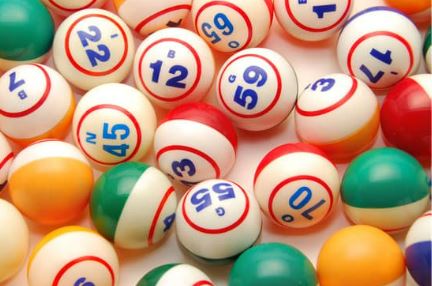
Keno is a lottery-style game in which you select numbers and see whether your picks are drawn. It is quick and straightforward, with results determined entirely by chance rather than skill or strategy.
In a standard game, you choose from a pool of numbers, usually 1 to 80, and mark how many spots you wish to play. Many formats allow up to 10 or 15 selections, and some variants draw 20 numbers from the pool. You then confirm your stake and watch as the game completes its random draw, either via a physical draw or an independently tested random number generator.
If enough of your chosen numbers match those drawn, you receive a prize according to the paytable. Generally, the more matches you achieve, the larger the payout shown for your stake and number of spots played. Paytables and prize caps can vary by operator and game version, so always review the rules and prize table before you play.
Part of keno’s appeal is that it is easy to join in without prior experience. That said, outcomes are random, and there is always a house edge. No system can influence the result, and returns may differ between games; check the posted RTP or odds where available.
Only play if you are 18+ and set sensible limits. Never stake more than you can afford to lose, and take breaks if the game stops being enjoyable. If you are unsure how a round unfolds or how prizes are calculated, consult the game information and terms first.
How Do You Play Keno?
Playing keno is straightforward and based entirely on chance. You are presented with a keno card or digital ticket showing numbers, typically from 1 to 80, and you choose your preferred selections (often called “spots”). Many games let you pick up to 10 or 15 numbers, though the exact limits can vary by provider and game rules.
You can usually select numbers manually or use a quick-pick option to have them chosen at random. Before you confirm, you can review, change, or clear your choices so the ticket reflects exactly what you want to enter for the next draw.
After choosing your numbers, set your stake and confirm how many consecutive draws you want to enter. The game then draws a set of winning numbers at random. If enough of your selections match the drawn numbers, returns are paid according to the paytable and your stake.
Keno draws run frequently, so results appear quickly, but each draw is independent and unaffected by previous outcomes. There is no strategy that can influence the result. Check the game’s rules and paytable for the number of picks allowed, prize tiers, any payout caps, and the RTP, so you understand how outcomes are settled.
Only stake what you can afford to lose, set limits where available, and remember that outcomes are random and cannot be predicted. Must be 18+ to play where applicable.
How To Read A Keno Ticket
A keno ticket shows the full grid of available numbers, with your selections clearly marked (for example, highlighted or ticked). It will usually display how many spots you have picked, your stake per draw, and the number of draws you have entered.
Many tickets also indicate the paytable or provide a way to view it, outlining how many matches are required for each prize tier. Some versions may show any applicable multipliers or limits; always consult the on-screen help for the exact rules of that game.
When the draw completes, the winning numbers are shown on the screen or ticket, making it easy to see any matches. If enough of your selections appear among the results, that counts as a win for that round and is paid in line with the published paytable and any stated limits.
Draws are produced at random, typically by an independently tested RNG or approved draw system. Each draw is separate, and previous results do not affect future outcomes.
How Are Keno Numbers Drawn?
Keno numbers are selected at random to keep the game fair and compliant with licensing requirements. Online keno relies on a Random Number Generator (RNG), a computer programme that produces unpredictable results within defined parameters.
Reputable operators use RNGs that are independently tested and certified by approved laboratories. These systems are subject to periodic audits to confirm that outcomes remain random and that no party can influence the result. Past draws do not affect future draws.
In land‑based venues, numbers may be drawn using physical balls, similar to a traditional lottery. Each numbered ball is mixed and selected one at a time using mechanical or air‑mix machines designed to minimise bias.
Draw procedures in venues are usually carried out under strict controls, with calibrated equipment, tamper‑evident seals where applicable, and oversight such as staff supervision and CCTV. Maintenance and testing schedules help ensure consistent performance over time.
In all cases, the draw process is designed to be random, transparent, and closely monitored. Licensed operators publish game rules and paytables so you can see how results translate into payouts, along with any applicable limits, rounding rules, and settlement times.
Remember that keno is a game of chance. No system can predict or improve the likelihood of a particular outcome, and you should only play with funds you can afford to lose. If you are unsure, check the game information and terms before you stake.
How Are Keno Payouts Calculated?
Keno payouts depend on how many of your picks match the numbers drawn and the stake you place. Each game provides a paytable that sets out the return for different numbers of matches, which often also varies by how many numbers (spots) you choose at the start. Choosing more spots can change the volatility of results, affecting how frequently wins occur and the size of potential returns.
For example, in a 5‑spot game, three matches might return a modest multiple of your stake, while five matches would return more. Some outcomes may return less than your total stake, and in some versions there may be no return for certain results. Exact figures differ by game and operator, so always review the paytable and rules before you play to understand what each outcome pays.
Keno results are generated at random, and the odds of hitting a given number of matches are fixed for each draw. Published RTP is a long‑term theoretical measure and does not guarantee individual results. Limits, caps, rounding and stake restrictions may apply, and past outcomes do not influence future draws.
Only gamble if you are comfortable with the risks, set sensible limits, and never stake more than you can afford to lose.
Understanding Odds And Payout Tables
The odds in keno change with how many numbers you select. Picking more numbers can offer larger potential returns, but matching a higher count is less likely and wins may be less frequent. Choosing fewer numbers usually increases the chance of some matches, yet the prizes listed on the paytable are typically smaller and the overall volatility is lower.
Think of this as a balance between frequency and size of payouts rather than a better or worse choice. For example, a 4‑pick may produce smaller, steadier results, while an 8‑pick can be swingier with a chance of higher prizes. All outcomes are random and independent, and no strategy or pattern can improve the underlying odds.
Each keno title sets its own paytable, so it is helpful to review the game’s information panel before you start. Check how different picks are rewarded, any caps on maximum wins, stake multipliers, and the return to player (RTP) where shown. Features such as extra balls or bonus options can change costs and volatility; they do not guarantee better returns.
Before you commit, choose a style of play and stake that suit your budget and expectations. Set sensible limits, take breaks, and never chase losses. Only play if you are legally permitted to do so and only with money you can afford to lose.
With the essentials in place, you might enjoy exploring variants that add their own twist to the base game, provided you read the rules carefully and understand how they affect risk and potential payouts.
Common Keno Variants And Game Types
Keno comes in several forms. The core idea stays the same, but each variant tweaks the experience in a small, noticeable way. Rules, odds, and prize tables can differ by operator or product, so always check the game information before you play.
Classic Keno is the standard version most people meet first. You pick numbers, place a stake, and watch the draw. Payouts are based on how many of your selections match the numbers drawn, and all outcomes are random with no influence from previous results.
Power Keno increases the payout if the final number drawn matches one of your selections, adding late-round suspense. The extra prize is not guaranteed and its size depends on the paytable, so review the specific conditions and eligibility rules for the final-number boost.
Super Keno boosts the payout if the very first number drawn is one of your picks, front-loading the tension. As with all variants, the probability of hitting this condition is fixed and may be low; check the prize tiers to understand the risk and reward.
Bonus Keno offers optional bonus features, usually for a slightly higher stake, with the potential for higher payouts. These features can increase volatility and cost per play, so consider your budget and read any terms that cap or modify bonus returns.
Progressive Keno links games to a growing jackpot that continues to rise until it is won, creating larger possible top prizes. Contribution rates, qualifying bets, and reset amounts vary, and jackpots are never guaranteed; ensure you meet any eligibility criteria to participate.
Trying a few types can keep things fresh. Start with stakes you are comfortable with, set limits, and treat play as entertainment. If one variant’s pace or features appeal to you, it is easy to stick with it or switch things up later, bearing in mind that the house edge and rules may differ between games.
How Much Can You Win Playing Keno?
Returns in keno are shaped by three main factors: how many numbers you pick, how many you match, and the size of your stake. Matching more numbers usually leads to higher payouts, and some variants include progressive jackpots that can lift the top prize. Maximum win caps and stake limits may also apply, depending on the game and operator.
Because each game sets its own paytable, the range can run from modest wins to much larger returns. Always check the paytable and game rules to see exactly what each result pays, any jackpot conditions, and whether there are contribution rates or seed amounts for progressives. Payouts can vary by bet size and selection, and some outcomes might return less than your total stake.
Keno draws are random, and results are never guaranteed. Over the long term, the return to player (RTP) and house edge determine expected outcomes, so treat keno as entertainment rather than a way to make money. Your actual results will differ from the averages shown in the game information.
Play only what you can afford, set limits, and take breaks whenever you need them. If the fun stops, stop. You must be over 18 to play in the UK, and eligibility, stake limits, and maximum payouts can depend on the operator’s terms and conditions.
Common Keno Terms Explained
If you are new to keno, a few phrases pop up often. Here are the main ones in plain English to help you follow how the game works.
Keno is a game of chance. Outcomes are random and independent, and nothing in these terms guarantees a win. Always play responsibly and only with money you can afford to lose.
Spot: The name for each number you choose on your ticket. Picking five numbers means you are playing a 5-spot.
You can usually pick from a minimum to a maximum number of spots, depending on the game. Choosing more or fewer spots affects potential payouts and the frequency of hits, but it does not change the probability of any single number being drawn.
Draw: The set of numbers randomly selected in the game. These are the results you compare against your picks.
Draws are made at random (via an approved RNG or physical draw machine) and each draw is independent. Past results do not influence future ones. The amount of numbers drawn can vary by variant, so check the rules for the game you are playing.
Paytable: The chart that lists payouts for different numbers of matches, sometimes adjusted by how many spots you chose.
Paytables can vary by operator and game. They may include prize caps, minimum/maximum stakes, or special prizes, and not every number of hits will return a payout. Always review the paytable and rules before you play.
Ticket: The card or on-screen slip where you select numbers, set your stake, and enter draws.
You may be able to enter multiple consecutive draws on one ticket. Check your selections and stake carefully before confirming, as entries usually cannot be changed after submission and may be subject to cut-off times.
Hit: When a chosen number matches one of the numbers drawn.
Your total number of hits determines any payout according to the paytable. More hits generally pay more, but a higher number of hits does not guarantee an overall profit on a ticket.
Multiplier: An optional feature in some games that, for an extra cost, can increase the payout on qualifying wins.
Multipliers do not improve your chances of a hit; they simply change the size of eligible payouts and your total stake. Availability, cost, maximum win limits, and terms vary by game—check the rules before opting in.
How Long Does A Keno Round Take?
One of the best things about keno is its pace. Most online rounds resolve within a couple of minutes, and some variants are even quicker. You make your selections, place a stake, and the outcome appears almost immediately, though exact timings can vary by game and connection.
In a land-based casino, rounds can take a little longer, often around three to five minutes, while players finalise choices and numbers are drawn. This includes the period for ticket sales to close, the draw of the numbers, and the display of results, which may be extended during busier sessions.
Either way, keno moves quickly, which makes it easy to dip in for a round or two. Remember that speed does not change your chances of winning, and each draw is independent with random results.
If you choose to play, start small, check the paytable and game rules, and play at a comfortable pace. Consider setting a budget and time limit, take regular breaks, and only gamble if you are 18+ and it remains affordable and enjoyable. No strategy can guarantee a return, so never chase losses.
**The information provided in this blog is intended for educational purposes and should not be construed as betting advice or a guarantee of success. Always gamble responsibly.