
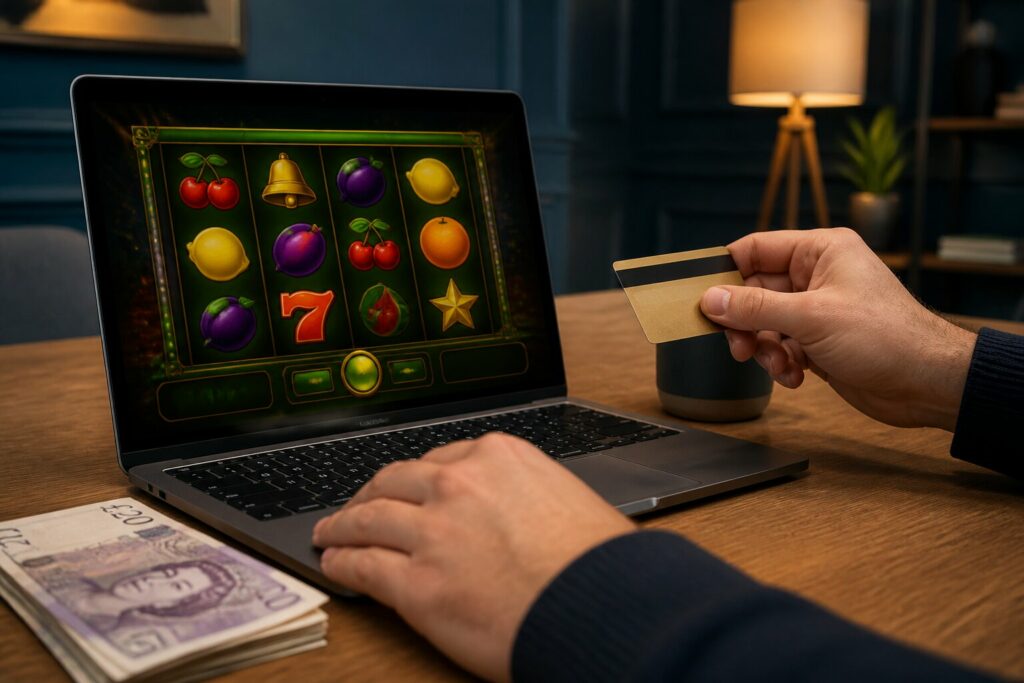
Do Online Slots Pay Real Money? How Payouts Work Explained
Ever wondered if those flashy online slots really pay out actual cash? With spinning reels and bold promises, it’s natural to ask how payouts work and whether the wins you hear about are genuine.
Before you stake any money, it helps to understand what happens behind the scenes: how outcomes are produced, how returns are calculated, and what protections exist for players. Whether you’re new to online slots or returning after a break, knowing the mechanics makes it easier to make informed choices.
This article walks through legitimacy, how payouts are determined, how winnings reach your account, and how to spot trustworthy sites so you can move forward with confidence.
Are Online Slots Legitimate In The UK?
Online slots are legal in the UK when offered by operators authorised by the UK Gambling Commission (UKGC). The Commission sets rules to ensure games are fair, player funds are protected and personal data is handled securely.
Licensed operators must meet strict standards, including independent testing of games and regular compliance checks. Age checks are required, and only those aged 18 or over may gamble. These safeguards are designed to protect players and keep the market transparent.
If you want to verify a site’s status, the operator’s licence details are usually displayed on the website and can be checked against the UKGC register.
How Do Online Slot Payouts Work?
Payouts are determined by certified random number generators (RNGs). An RNG produces an unpredictable sequence of numbers that maps to symbols on the reels, so each spin is independent of previous spins.
Every game has a paytable that lists winning combinations and their prizes, plus special features such as wilds, scatters and bonus rounds that change potential payouts. Independent testing ensures that the game pays out according to its design and that the RNG performs correctly.
Hold the idea of pattern-seeking at bay: because spins are independent, there’s no reliable method to influence outcomes. Instead, focus on features the game offers—paytable structures, bonus mechanics and stake ranges—to find titles that suit your play style.
What Are RTP and Volatility?
Return to Player (RTP) and Volatility describe how a slot behaves over time. RTP is a theoretical percentage showing how much a game returns to players from total stake over a long run—for example, a 96% RTP suggests £96 returned per £100 staked across many plays. Volatility (sometimes called variance) indicates how that return is distributed: high volatility tends to deliver larger, less frequent wins; low volatility gives smaller, more frequent wins.
Both metrics help you set expectations but don’t predict what will happen in a single session. Think of RTP and volatility as tools for choosing a game whose payout pattern matches your preferred level of risk and bankroll management.
How Are Winnings Paid Out?
When a winning combination occurs, the resulting credit is added to your casino account balance automatically. From there you can continue to play or request a withdrawal.
Withdrawals require verification checks to confirm identity and payment details, in line with regulatory and anti-money laundering rules. Typical payment methods include bank transfer, debit card and e-wallets, each with different processing times and possible fees. Keeping account details current and completing any requested verification promptly will reduce delays.
If a site imposes wagering requirements on bonus funds, those must be satisfied before withdrawing funds originating from that promotion; the paytable or bonus terms explain how those requirements apply.
Are There Differences Between Demo And Real Money Slots?
Demo modes use the same game code and mechanics but run with virtual credits, so they are useful for learning a game’s layout, bonus structure and paytable without risking money. They let you try features such as free spins, respins and bonus rounds, and get a feel for a game’s volatility and pace before committing funds.
Real-money play uses the same RNG and mechanics, but stakes and payouts are real. The experience can feel different because winning and losing have financial consequences, which can affect how long you play and the size of bets you place.
Use demo play to assess whether you enjoy a game’s features and to test how its bonus rounds behave. Demo sessions are also a good way to practise staking strategies and to check whether the theoretical return to player seems suitable for your preferences.
Bear in mind that session results in demo mode will not predict financial outcomes in real-money play. Both modes share the same randomness, but the context differs once real funds are at stake. Demo play cannot replicate account-related elements such as deposits, withdrawals, wagering requirements or the emotional impact of winning or losing real money, so treat it as a learning tool rather than a forecast of future results.
Can You Really Withdraw Online Slot Winnings?
Yes. Withdrawals are available, but they follow verification and security procedures to protect both you and the operator. Sites routinely carry out checks before releasing funds to meet regulatory obligations and to reduce the risk of fraud.
Typical checks include:
- identity verification, such as a passport or driving licence,
- proof of address, for example a recent utility bill or bank statement,
- proof of payment method, like a screenshot of an e-wallet or a copy of the front of a debit card.
Once checks are complete, withdrawal requests are processed according to the chosen payment method’s timelines. Bank transfers, e-wallets and card payments all have different processing times and may be subject to internal pending periods set by the operator.
Larger or infrequent wins may trigger additional checks to confirm source of funds. These extra steps are standard practice and form part of keeping accounts secure and complying with money‑laundering rules.
Bear in mind that terms, minimum and maximum withdrawal limits, fees and processing times vary between operators. Reviewing the site’s banking and verification policies before you play helps set realistic expectations and avoid surprises. If a withdrawal is delayed, contact customer support for a clear explanation and the next steps.
Do You Need To Pay Tax On Online Slot Winnings In The UK?
Players in the UK do not currently pay tax on winnings from gambling, including online slots, when playing with operators licensed in the UK. The tax position is based on current UK law and practice, under which gambling wins are treated as windfalls rather than taxable income for recreational players.
There are a few important caveats to bear in mind. The tax position could change in future, so it is sensible to stay informed about any legislative updates. If you treat gambling as a business or a source of trade, HMRC may take a different view and taxable treatment could apply.
Other situations that might give rise to tax or reporting obligations include:
- running gambling activities as a business rather than playing recreationally
- receiving income related to gambling such as sponsorships, media work, or professional play
- earning interest or other returns on funds you have placed in accounts after winning
This is general information and not financial advice. If you have significant gambling income, uncertain circumstances, or any doubt about your personal tax position, consult a qualified tax adviser.
Myth-Busting: Are Online Slot Machines Rigged?
Concerns about rigging are common, but licensed operators and games must pass independent testing before they are offered to the public. Independent testing laboratories check the software and certify that games operate as intended, which helps reduce the risk of unfair play.
Testing bodies verify key technical elements of a game, including:
- that the random number generator, or RNG, behaves correctly and produces unpredictable results
- that the stated return to player, or RTP, matches long-term outcomes
- that bonus features and other mechanics operate as specified
Regulatory oversight adds another layer of protection. Regulators carry out routine audits and compliance checks to ensure an operator continues to meet licence conditions and technical standards over time. They can require fixes, suspend operations, or revoke licences if problems are found.
Playing on sites that display valid regulatory and testing certificates provides a reasonable level of assurance that games are monitored for fairness and integrity. Look for clear information about the licence holder, the issuing regulator, and the testing laboratory if you want to confirm a site’s credentials.
How To Recognise Safe And Fair Slot Sites
Choosing where to play affects security and peace of mind. Here are practical signs a site is likely to be safe and fair.
UKGC Licence
A displayed licence number linked to the regulator confirms the operator is authorised and subject to oversight.
Secure Payment Methods
Clear information about deposits and withdrawals, plus recognised payment providers, indicates sound banking practices.
Responsible Gambling Tools
Features such as deposit limits, time-outs and self-exclusion options help players manage their play. These tools are part of a site’s duty of care and show a commitment to player protection.
Fair Play Certifications
Seals or reports from independent testing labs confirm that games are regularly audited for correct behaviour and advertised RTPs.
Selecting a licensed operator that publishes testing information and provides clear banking and protection measures reduces the likelihood of problems and makes your experience more straightforward.
If you want to try a game, start by checking the licence and testing information, review payment options and set sensible controls on your account before staking real money. That way you can enjoy the features and mechanics of slots while keeping practical safeguards in place.
**The information provided in this blog is intended for educational purposes and should not be construed as betting advice or a guarantee of success. Always gamble responsibly.