
The Most Popular Lottery Numbers: Myths, Misconceptions and Choices
Have you ever held a lottery ticket and wondered whether certain numbers carry extra meaning or advantage? Millions of people in the UK choose numbers that matter to them, from birthdays to memorable dates, while others let the terminal decide. With so many systems and folk beliefs circulating, it’s easy to feel uncertain about which approach to take.
This article unpacks the common ideas around popular numbers, looks at why particular digits are chosen so often, and explains what really affects your chances and potential prize share. Read on to separate the headline stories from the facts and find a clearer way to approach your next play.
Why Do People Believe Certain Lottery Numbers Are Lucky?
People often select numbers that have personal or cultural significance. Dates such as birthdays and anniversaries feature heavily because they’re easy to remember and feel meaningful. Others repeat sequences seen in daily life, like house numbers or sports shirt numbers, because they provide a simple, familiar pattern for choices.
Cultural associations also shape behaviour. Some numbers have reputations in folklore and popular culture that influence how often they appear on entry forms. For instance, single-digit numbers with symbolic roles in stories or common expressions are picked frequently simply because they are well known and comfortable to use.
Those preferences don’t change the mechanics of a draw. Each number is treated the same by the draw process, so selecting a personally significant number is mostly about enjoyment and habit rather than gaining any statistical advantage. With that in mind, the next section examines widespread misconceptions about how number selection affects outcomes.
Common Misconceptions About Popular Lottery Numbers
A persistent misconception is that numbers are “due” to appear because they haven’t come up recently. This leads people to avoid recently drawn numbers or to favour those that seem overdue. In reality, draws are independent events, and previous results do not influence future ones.
Another mistaken belief is that commonly chosen numbers—such as dates or familiar sequences—are more likely to win. Popularity only matters once a winning combination appears: many players choosing the same numbers increases the likelihood of sharing any prize, but it does not affect the original probability of that combination being drawn.
Some people think that playing the same set of numbers repeatedly will eventually pay off. While routine can make playing more satisfying, every draw resets the odds; persistence in itself does not create an edge. These points set the stage for looking at which numbers actually appear most often on entry slips and why that matters for prize splits.
Exploring the Most Frequently Chosen Lottery Numbers
Data released about entries shows a clear pattern: numbers that correspond to calendar dates are heavily favoured. Selections between 1 and 31 dominate because of birthdays and anniversaries. Certain digits also appear repeatedly on entry slips because they carry wider cultural recognition.
This clustering around date-based numbers means higher-numbered balls—those above 31 in games with larger ranges—are less commonly picked. When a winning combination includes these less-chosen numbers, the prize is statistically less likely to be split among many winners. That effect is purely about human choice patterns on entry slips rather than any tendency in the draw itself.
Although some individual numbers are much more popular than others, popularity does not change the way draws work. The significance of popularity is limited to potential prize sharing; it does not alter the fairness or randomness of the selection process. To understand why that fairness holds, the next section explains how numbers are actually drawn.
Do Popular Numbers Really Increase Your Chances of Winning?
Popular numbers do not increase the mathematical chance of winning. Every valid combination in a draw has the same probability of being selected. What popularity does influence is the likelihood of sharing a prize. If many people pick the same combination and it wins, the payout will be divided among the ticket-holders who matched it.
Consider a hypothetical jackpot distributed among several winners. If a widely chosen combination wins, each person receives a fraction of the total prize. A winning line that includes less commonly chosen numbers is less likely to match other players’ tickets, so a winner in that scenario would be less likely to share. The key takeaway is that the odds of a win remain unchanged by how many people select a particular set of numbers; only the distribution of any prize is affected. With that difference clear, the following section looks at the procedures that guarantee draws are impartial.
How Are Lottery Numbers Actually Drawn?
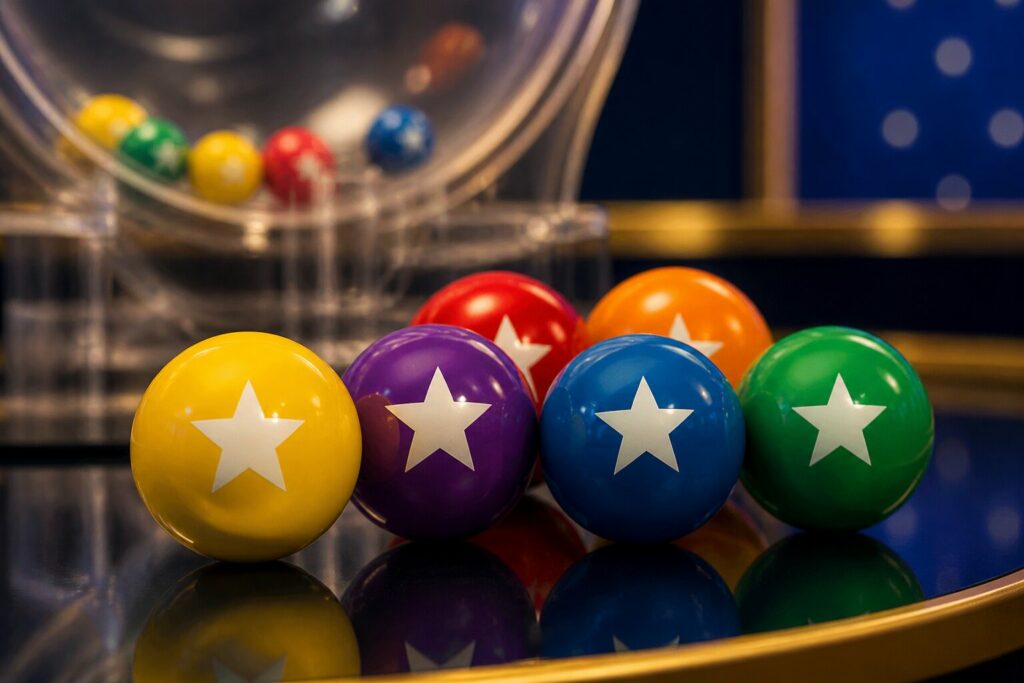
Lottery draws are carried out under strict rules designed to ensure impartiality and transparency. Depending on the game, the selection method uses mechanical ball machines or regulated electronic random number generators (RNGs). Both approaches are subject to independent checks and oversight to confirm they operate correctly.
Mechanical draws use a set of numbered balls and a draw machine selected at random from sealed units. Officials and independent adjudicators verify the ball set and machine before each draw, and the proceedings are recorded so the process is open to scrutiny. Each ball is made to identical specifications to avoid bias.
Electronic draws rely on certified RNG software that has been extensively tested and monitored by independent experts. Those systems produce outcomes according to established statistical standards and are audited to maintain integrity. The safeguards around both mechanical and electronic systems mean no number is favoured by the draw mechanism itself, a point that undercuts many of the superstitions discussed next.
Biggest Myths About Unlucky Numbers and Superstitions
Superstitions about “unlucky” numbers influence how some people choose, yet none of these ideas has any grounding in draw behaviour or statistics. Common examples include avoidance of 13 in some contexts, cultural reactions to sequences that carry negative connotations, and special attitudes towards particular calendar dates. Another belief is that repeating numbers in multi-line tickets affects outcomes in some negative way.
There is no evidence that any number is less likely to be selected. Beliefs about unlucky numbers reflect cultural attitudes rather than any measurable bias in draws. Understanding this helps put selection habits into perspective and may prompt players to choose numbers simply because they prefer them. Next, we explore the practical ways people typically make their choices.
How Do Players Choose Their Lottery Numbers?
Players use a broad range of approaches when picking numbers, from personal meaning to complete randomness. Two common methods are notable for how widely they are used and how they shape entry patterns.
Personal Dates and Significant Numbers
Many players choose dates and numbers tied to family events, anniversaries and other milestones. These selections often cluster in the 1–31 range and reflect sentimental attachment. That clustering is predictable because calendar dates are an easy source of meaningful figures for many people.
Using significant numbers gives the ticket a personal connection and lets players feel involved in the process in a straightforward way. For some, choosing familiar numbers is part of the ritual of playing and can provide comfort or a sense of control even though it does not change the mathematical odds.
Quick Picks and Random Selections
The Quick Pick or Lucky Dip option generates numbers automatically, removing deliberate human patterns. Terminals and online systems produce lines that are free from date clustering and other common biases, so the combinations tend to be more evenly spread across the full number range.
Those random selections are as likely to win as hand-picked numbers and contribute to a more even spread of combinations among participants. Because they avoid common human tendencies, Quick Picks can reduce the chance of having to share a prize with multiple people who picked the same familiar sequences.
Both approaches are valid and have the same underlying probability of success. Choice comes down to personal preference, whether that is having a ticket that feels meaningful or accepting a randomly generated set without thought. That variety of methods is part of what makes entry patterns interesting to observe, and these patterns in turn affect how prize splits can occur.
The Bottom Line: Separating Lottery Facts from Fiction
Stories and superstitions around lottery numbers are abundant, but they seldom change the factual picture. Numbers chosen for personal reasons or because they are widely recognised do not alter the impartial mechanics of draws. The main practical effect of popularity is on prize sharing: commonly selected combinations are more likely to be split among several winners.
Every draw is conducted to strict standards that safeguard fairness and randomness. That means whether a line is popular or unusual, mechanically drawn or selected by an RNG, the odds of it being drawn are the same as any other valid combination. Enjoyment is the clearest measure of success when taking part, so play within your means and use the opportunity to have fun rather than expecting financial gain. This gives a healthy, straightforward perspective on how to approach your next ticket.
**The information provided in this blog is intended for educational purposes and should not be construed as betting advice or a guarantee of success. Always gamble responsibly.