

FOBT Machine Cheats – Can Bookies Machines Be Beaten?
Fixed Odds Betting Terminals, or FOBTs, are a type of electronic betting machine commonly found in UK betting shops.
Over the years, there has been curiosity about whether these machines can be beaten, or if they are rigged to favour the operator.
This blog will explain how FOBTs operate, the concept of random outcomes, and why attempts to cheat these machines are not effective and are illegal. It also addresses player concerns about fairness and explains the role of theoretical returns and the house advantage in these games.
What Are FOBTs (Fixed Odds Betting Terminals)?
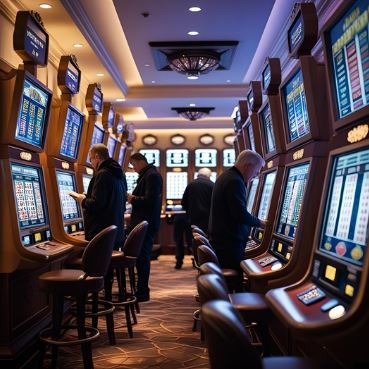
FOBT machines, also called bookies machines, are electronic terminals that allow you to place bets on games with fixed odds.
Fixed odds mean that the potential payout is calculated when the bet is placed and does not change. These machines often offer casino-style games such as roulette and slot-like games, as well as certain sports betting simulations.
Unlike traditional slot machines, FOBTs have regulated stake limits. In 2019, the maximum stake for a single bet on B2 category FOBTs was reduced from £100 to £2 to address concerns about problem gambling. Maximum potential payouts are also capped, currently at £500 per bet. These limits are set by the UK Gambling Commission (UKGC) and apply to machines in betting shops, although some FOBTs can also be found in licensed casinos.
FOBT Machine Cheats – Can Bookies Machines Be Beaten?
There are no methods to beat FOBT machines. These machines operate using Random Number Generators (RNGs), which are software systems that produce outcomes that are statistically unpredictable. The design ensures that each bet is independent, and the results are not influenced by any previous spins or bets.
Attempting to cheat an FOBT machine is illegal. Methods that claim to manipulate outcomes or predict results are ineffective and may result in criminal charges, fines, or bans from betting establishments. Players are advised to understand that the machines function according to strict regulatory standards and to approach them as games of chance.
Do FOBT Machines Cheat?
Some players question whether FOBTs are rigged, but regulated FOBT machines do not cheat. The RNG software ensures that outcomes are random, and all games must meet technical standards enforced by the UKGC.
Theoretical Return to Player (RTP) percentages and house edge values are built into the games, creating a slight advantage for the operator over time, but they do not change the randomness of individual bets.
For example, a game with a 94% RTP means that, in theory, it may pay back £94 for every £100 wagered when considered over many plays. This percentage is a statistical average and does not predict the outcome of any single bet. The house edge is the opposite of the RTP and represents the average portion of wagers that the operator keeps over time.
What Is The Best Game on FOBTs?
The choice of game on an FOBT depends on your personal preference. Some games have higher theoretical RTPs or lower house edges, which means they may return a larger percentage of wagers over many plays, in theory. For instance, certain roulette variants or fixed odds bets may have RTPs of around 94%, while other games may have lower RTPs. These figures are statistical averages and do not guarantee the outcome of any individual bet, as each result is determined randomly.
When choosing games, consider:
- Checking the game’s paytable and rules.
- Understanding the RTP and house edge.
- Recognising that each bet is independent and that outcomes are random.
All FOBT games are designed for entertainment purposes. While it is possible to win, these wins cannot be guaranteed. Players may set limits on how much they spend and treat the games as a form of leisure, rather than a source of income.
*All values (Bet Levels, Maximum Wins etc.) mentioned in relation to these games are subject to change at any time. Game features mentioned may not be available in some jurisdictions.
**The information provided in this blog is intended for educational purposes and should not be construed as betting advice or a guarantee of success. Always gamble responsibly.