

Are Instant Win Games Fixed & Predetermined?
Casino games appeal to many players because they often provide quick, straightforward gameplay. Among these, instant-win games are particularly popular, as they allow players to find out almost immediately if they have won a prize.
Questions about fairness and how these games operate are common. Are they fixed? Are results predetermined?
In this blog post, we will explore these topics in detail, covering what instant-win games are, whether they are fixed, how results are determined, whether anyone actually wins, and whether the time of play has any effect on outcomes.
Read on to learn more.
What Are Instant Win Games?
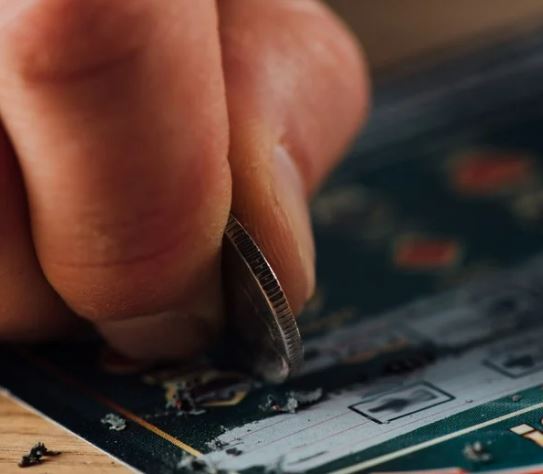
An instant-win game is a type of game in which the outcome is revealed almost immediately after participation. Players usually take part by purchasing a ticket or initiating a play, such as scratching a card, spinning a wheel, or selecting numbers.
These games are found on official lottery sites, in shops, and on many online casino platforms. Prizes may vary from modest amounts to larger jackpot-style rewards.
Instant-win games come in many forms. Popular examples include online scratchcards, spinning wheels, card games, instant roulette, and keno. Scratchcards are particularly common because they are quick and straightforward.
When a player scratches a card, the symbols underneath are revealed right away, showing if there is a prize. Many players appreciate these games for their simplicity and speed. They also feature a wide variety of themes—TV shows, animals, gems, fruits, and other designs—which add visual appeal and maintain interest.
These games exist in both physical and online formats. Physical scratchcards are created with a set number of winning tickets, though individual outcomes remain unpredictable. Online versions use computer systems to generate results in real time, making each play independent.
Many games also publish approximate odds or a Return to Player (RTP) percentage, which gives a general sense of payouts over time. The RTP is a theoretical figure that suggests the percentage of total wagers that are expected to be returned to players, on average, over time. For example, a game with an RTP of 95% indicates that, across a very large number of plays, the game might return £95 for every £100 wagered.
It is important to note that the RTP does not predict what will happen in an individual session. A player may win or lose amounts that differ significantly from the theoretical average in any single play or short series of plays. Essentially, RTP provides context for the overall payout behaviour of a game, but it does not guarantee any particular result.
Are Instant Win Games Fixed?
Instant-win games are generally fair and not rigged. Sometimes, players notice long stretches without a prize, which may cause suspicion, but this is part of how chance operates.
Licensed operators must follow strict rules to keep games fair. In the UK, for example, the UK Gambling Commission (UKGC) monitors this closely. Certified testing ensures that online random number systems produce unpredictable outcomes. Operators are also expected to provide information about winning tickets or odds, so players know the general probabilities of prizes.
If you choose to play, it’s sensible to check that the operator is licensed and regulated. This provides reassurance that the game has been independently reviewed and tested for fairness.
Are Instant Win Games Predetermined?
The results of instant-win games are not predetermined in the way that some people imagine. Online games rely on real-time random processes, so each play is independent.
Physical scratchcards have a fixed number of winning cards, so the outcomes are predetermined at the time of printing. However, players cannot know which cards are winners, so the result is effectively random from their perspective.
For online games, certified Random Number Generators (RNGs) decide outcomes at the moment of play, so timing or previous results do not affect the likelihood of winning.
Some games may advertise slightly better odds for certain plays, but this improves only the statistical probability over many attempts, not the outcome of an individual play. The key point is that no result may be predicted or guaranteed.
Does Anyone Ever Win Instant Win Games?
Yes, people do win instant-win games. They often feature several prize levels. For example, a scratchcard might offer a smallest prize of £1 and a top prize of £1,000.
Smaller prizes tend to be claimed more often due to higher odds, while larger prizes are less frequent.
Does It Matter What Time You Play Instant Win Games?
The time of day does not affect outcomes. Whether a player scratches a card in the morning or spins a wheel late at night, the random process that determines results operates consistently. Physical tickets have their pre-printed distributions, and online games use certified random number systems, so the likelihood of winning remains the same at any point.
Players may choose the timing of their participation based on preference rather than strategy, remembering to participate responsibly and not exceed limits they set for themselves.
If you choose to play instant win games, do so with responsible gambling practices in mind and never wager more than you are willing to lose. Set personal limits for time and spending, and take breaks to avoid playing continuously. If you feel your participation is affecting your well-being or finances, seek guidance from official support services, such as GamCare and GambleAware.
*All values (Bet Levels, Maximum Wins, etc.) mentioned in relation to these games are subject to change at any time. Game features mentioned may not be available in some jurisdictions.
**The information provided in this blog is intended for educational purposes and should not be construed as betting advice or a guarantee of success. Always gamble responsibly.