
Roulette Strategy Myths: Does the Best Tactic Really Exist?
Roulette is one of the most familiar casino games, and talk of a perfect strategy never seems to fade. You will hear confident claims at the tables, in forums, and across countless guides.
The truth is more grounded. Much of what gets shared mixes sound ideas with myths or misunderstandings about how the game is built.
This blog post separates fact from fiction, looks at the actual odds for different versions of roulette, explains why popular betting patterns do not create an edge over time, and offers a fair way to test any system without risking real money. Anyone considering roulette should have clear, reliable information before deciding how to play.
What Is The Real Edge In European And American Roulette?
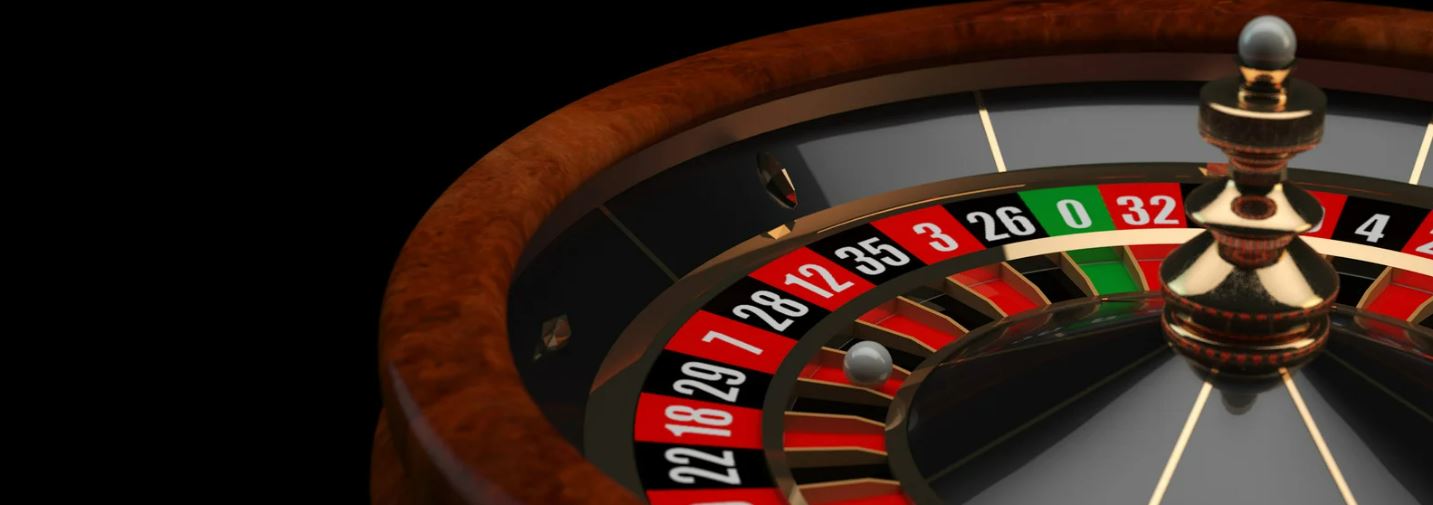
Roulette wheels come in different forms, most commonly European and American versions. European roulette wheels have a single zero slot, while American wheels include both a single zero (0) and a double zero (00).
The real edge of the game is the long-term percentage the casino expects to retain. On a European wheel, the house edge is about 2.7%. In simple terms, across many spins, an average of £2.70 from every £100 staked remains with the operator. On an American wheel the extra double zero raises this to roughly 5.26%.
These figures do not change with betting style. Because every number has the same chance on each spin, no staking system can remove the house’s built-in advantage. Results on individual spins will vary, but there is no way to guarantee an outcome.
With that foundation in place, it helps to see how the version of roulette you choose shapes the numbers you face.
How Different Roulette Variants Affect Probability
Roulette is played globally with several variations. The two most common versions are European and American roulette, but there are also French roulette tables.
Each variant uses a slightly different wheel layout. European and French wheels have 37 slots, including numbers 1 to 36 and a single zero (0). American wheels feature 38 slots, adding a double zero (00) to the mix.
That extra slot on the American wheel subtly changes the probabilities. For a single-number bet, the chance of success is 1 in 37 on European or French tables and 1 in 38 on American tables. The payouts are the same across versions, so this small shift in probability is what produces the higher house edge in American roulette.
French roulette may include specific rules such as La Partage and En Prison on even-money bets. With La Partage, if the ball lands on zero, half of the stake is returned. En Prison can hold the stake for the next spin if zero appears. These rules do not remove the house advantage, but they can reduce it on those particular bets. For example, La Partage can lower the effective edge on even-money bets to about 1.35% on a single-zero wheel.
So if the wheel and its rules set the risk and reward, can a clever staking plan bridge the gap?
Does Any Betting Pattern Beat The House Over Time?
Many strategies claim to tilt the game in the player’s favour by adjusting how much is staked or how bets are spread. Some increase the stake after losses, others scatter bets over many numbers to chase more frequent returns.
The key point is independence. Each spin is a standalone event. A run of reds or blacks does not influence the next result, and a number that has not appeared recently is not more likely to hit. This is why patterns that look persuasive do not change the underlying maths.
No staking pattern alters the house edge that applies to every spin. Over a long run, the results settle towards that edge, regardless of how bets are arranged. Short streaks can occur in either direction, but they do not create a sustainable advantage.
Common Roulette Myths Debunked
Roulette has inspired many so-called foolproof systems. Some rest on appealing ideas about sequences and balance, while others rely on physical theories about the wheel itself. Separating myth from reality saves time and money.
Martingale And Progressive Betting: Where It Breaks Down
The Martingale suggests doubling the stake after each loss so that one win recovers all previous losses plus a small gain. Variations follow the same theme with different step sizes.
The problem is not the first few wins. It is what happens when a longer losing run appears. Stakes escalate quickly. Starting at £1, ten consecutive losses would require a £1,024 next bet and more than £2,000 already committed. Table maximums and personal budgets limit how far any progression can go. Importantly, the next spin is no more likely to win than the last, so the system cannot change the risk that the sequence runs out of room.
Progressive staking can feel controlled in the short term, but it never removes the house edge and can magnify losses when an extended run bites.
Biased Wheel And Dealer Signature Claims
Another idea suggests that tiny imperfections in a wheel, or how a dealer releases the ball, can make certain outcomes more common. In tightly run venues, wheels are engineered to strict tolerances, checked regularly, and rotated or replaced to prevent any bias. Dealers vary ball speed and direction, and modern equipment aims for consistent randomness.
Online, automated wheels and digital versions use certified random number generators that are independently tested. Any pattern that appears over a small sample is expected to disappear as more results are recorded.
Building a strategy around finding bias is therefore unreliable. If a genuine irregularity ever did develop, routine checks would usually catch and fix it quickly.
To see why these myths persist, it helps to look at the core probabilities behind every spin.
Probability Basics Every Player Should Understand
Roulette is about predicting where a ball will land on a wheel. Probability describes how likely each outcome is, and on a fair wheel that likelihood is the same from spin to spin.
Independence matters here. Even if red appears five times in a row, the probability of red or black on the next spin remains unchanged. What looks like a pattern is usually just normal variation within random results.
Expected value also clarifies where the house edge comes from. On a single-zero wheel, a straight-up bet pays 35 to 1, but the true odds against winning are 36 to 1. That small gap funds the edge you saw earlier. The same principle applies across other bets, which is why no selection of numbers or sequence of stakes can overturn it.
Understanding these basics makes it easier to evaluate any system on its merits rather than on a few memorable outcomes.
How To Test A Roulette System Yourself?
If a particular approach interests you, it can be assessed in a low-risk way before any real-money play. Free demo tables and simple simulators let you watch how a staking plan behaves across hundreds or thousands of spins without placing actual bets. A notebook or spreadsheet helps capture the essentials: stake sizes, outcomes, and the running total.
What usually stands out over a larger sample is variance. Systems that produce many small wins often trade them for occasional steep drawdowns when a longer losing run arrives. Plans that chase bigger payouts tend to show dry spells punctuated by rarer hits. Recording table limits and your intended maximum stake is also valuable, as these practical caps are where many progressions run into trouble.
After a set number of spins, compare your total to where you started and ask what drove the result. Was it a brief streak, a particular rule such as La Partage, or simple fluctuation? If the same test is repeated and the totals swing around, that is a sign the system is not delivering a consistent advantage, which aligns with the house edge explained earlier.
If you choose to play, set personal limits that fit your circumstances, take breaks, and never stake more than you can afford to lose. If gambling begins to affect your well-being or finances, seek help early. Independent organisations such as GamCare and GambleAware provide free, confidential support.
Taken together, the maths, the wheel design, and the way payouts are set all point to the same conclusion: roulette can be enjoyable when treated as entertainment, but no strategy removes the house edge. Making informed choices and keeping control of your play is what truly makes the difference.
**The information provided in this blog is intended for educational purposes and should not be construed as betting advice or a guarantee of success. Always gamble responsibly.