
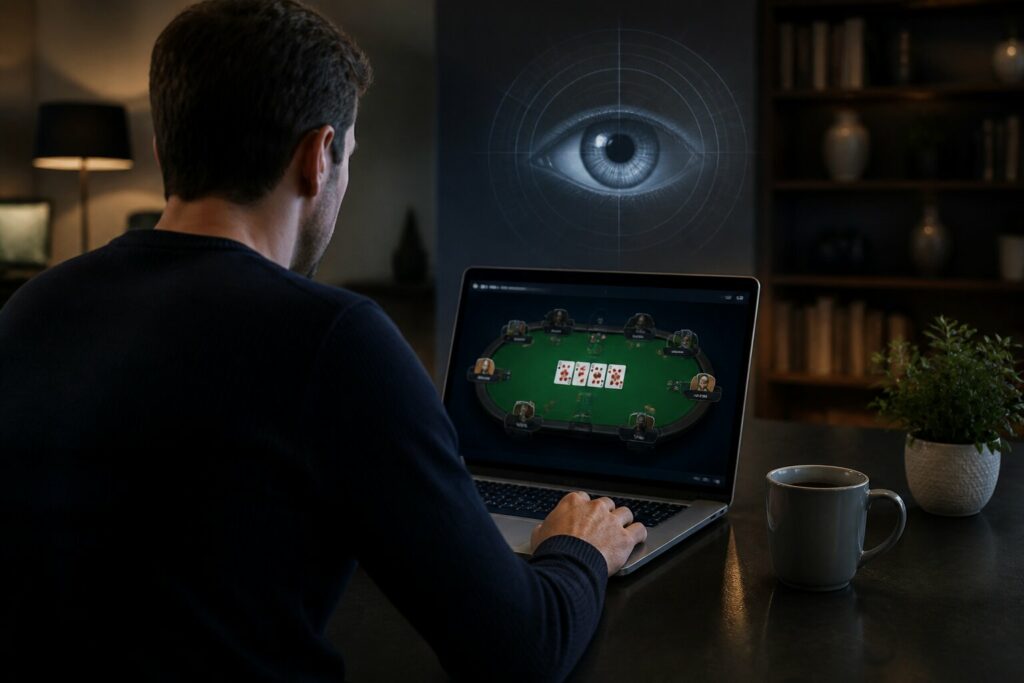
Can Poker Sites See Your Screen? Play Poker Online No Download
Ever wondered if poker sites are watching more than just your bets and bluffs? You’re not alone. With rumours online about digital prying eyes, many players worry about their privacy while playing poker on the internet.
Can online poker companies actually peek at your screen or track what you’re doing beyond the game window? Do they know when you’re checking strategy guides, running tracking software, or chatting with friends? In this post we’ll separate myth from reality and explain what sites can and cannot see.
Curious to uncover the truth? Let’s get started.
How Do Online Poker Sites Protect Player Privacy?
Reputable poker platforms treat player privacy as a core responsibility. They use strong technical measures to protect personal details and financial information, including encryption that scrambles data in transit so it cannot be read if intercepted.
Licensed operators are bound by regulations requiring them to collect only what’s necessary and to keep data secure. They perform regular security reviews, monitor for fraud and cheating, and maintain systems to detect unusual account activity.
Protecting your privacy also depends on your own habits. Use strong passwords, keep your device updated, and avoid sharing account details. If you spot anything unusual, contact customer support straight away.
If you want to know what data they gather next, read on for a clear breakdown.
What Information Do Poker Sites Collect?
When you create an account, sites typically ask for basic identity details such as name, address, date of birth and contact information. These are needed to verify age and identity and to meet legal obligations.
Gameplay data is recorded too: which games you play, stakes, session lengths and your wins or losses. Operators use this information to ensure fair play, detect suspicious patterns and tailor the service to each player.
For security, sites may log technical details like your IP address, device type and browser. This helps spot account takeover attempts or multiple accounts being run from one device.
All sensitive information is stored securely and used for clear purposes such as account protection, fraud prevention and regulatory compliance. It is not handed out to advertisers without consent.
Myths About Online Poker Surveillance
There are a lot of rumours about what poker sites can do, so it helps to be clear about the limits of their visibility.
Operators cannot see your entire computer screen or listen in on conversations outside the poker app or browser tab. They only have access to data generated by the platform itself and the technical connection between you and the server.
Another frequent worry is that sites unfairly influence games. Trustworthy platforms use independent systems to ensure game integrity, and most are audited to confirm randomness and fairness.
Transparency and regulated oversight mean that, on legitimate sites, your privacy and the integrity of play are priorities rather than afterthoughts.
Is It Safe To Play Poker Online With No Download?
Playing in your browser can be just as secure as using a downloaded client, provided the site follows proper security practices. Browser-based poker relies on encrypted connections and the same operational safeguards used by app-based services.
To help keep your sessions safe, look for sites that clearly state their security measures. Check for a visible padlock icon and HTTPS in the address bar, which shows the connection is encrypted. Also prefer operators that display licensing details and independent audit certificates for fairness.
Take practical steps on your side as well. Use a private, secure internet connection rather than public Wi-Fi to reduce exposure to network-based threats. Keep your browser and operating system up to date to close avoidable security holes, and log out after a session to reduce the risk of unauthorised access.
Other useful precautions include:
- Using strong, unique passwords and changing them regularly.
- Enabling two-factor authentication where available.
- Reviewing the site’s privacy policy to see how your data is handled.
- Avoiding browser extensions and plugins that you do not trust.
- Considering a reputable VPN if you must use an untrusted network.
Following these practices will significantly reduce common risks and help ensure a safer browser-based poker experience.
Choosing Secure No-Download Poker Rooms
When selecting a browser-based poker room, look for a few practical signs that the operator takes security seriously.
Start by checking that the site clearly explains its licensing and security practices. A visible padlock in the browser address bar indicates SSL encryption is in place, which protects data in transit. The privacy policy should describe what data is collected and why, and how long it is retained.
Customer support responsiveness is another useful indicator: sites that handle account issues promptly are easier to trust if you need help. Finally, look for independent audits or certifications that relate to game fairness and system security.
These checks help you choose a provider that matches the level of protection you expect.
Tips For Enhancing Your Online Poker Security
Before the checklist, here are a few short points to keep in mind: small habits make a big difference to how secure your account remains.
- Use strong, unique passwords that you don’t use elsewhere.
- Never share your login details with anyone.
- Avoid public or open Wi-Fi; use a secure, private connection when possible.
- Keep your device, browser and any extensions up to date to reduce vulnerabilities.
- Log out after your session and enable any offered account protection features.
These practical steps work alongside the site’s own safeguards to keep your account safer.
What Should You Do If You Suspect Unauthorised Access?
If you notice unfamiliar activity or think someone else has used your account, act quickly to limit any potential harm.
Steps to Take Immediately
Start by contacting customer support so the operator can secure the account and begin an investigation. Change your password to something new and strong, and review your account details to ensure contact information and security questions are correct.
Take a moment to scan your device for malware or unauthorised remote access software; sometimes the problem is local rather than on the site. If you use the same password elsewhere, change those passwords too.
Report and Protect
Report any suspicious messages that ask for personal information; these could be phishing attempts designed to harvest credentials. Keep a record of unusual transactions or communications in case you need to provide evidence during an investigation.
If you need extra help with account security, customer support can advise on next steps. Keeping your account secure helps maintain a safer experience for everyone.
Safeguarding your account keeps your online poker experience straightforward and reliable.
**The information provided in this blog is intended for educational purposes and should not be construed as betting advice or a guarantee of success. Always gamble responsibly.