
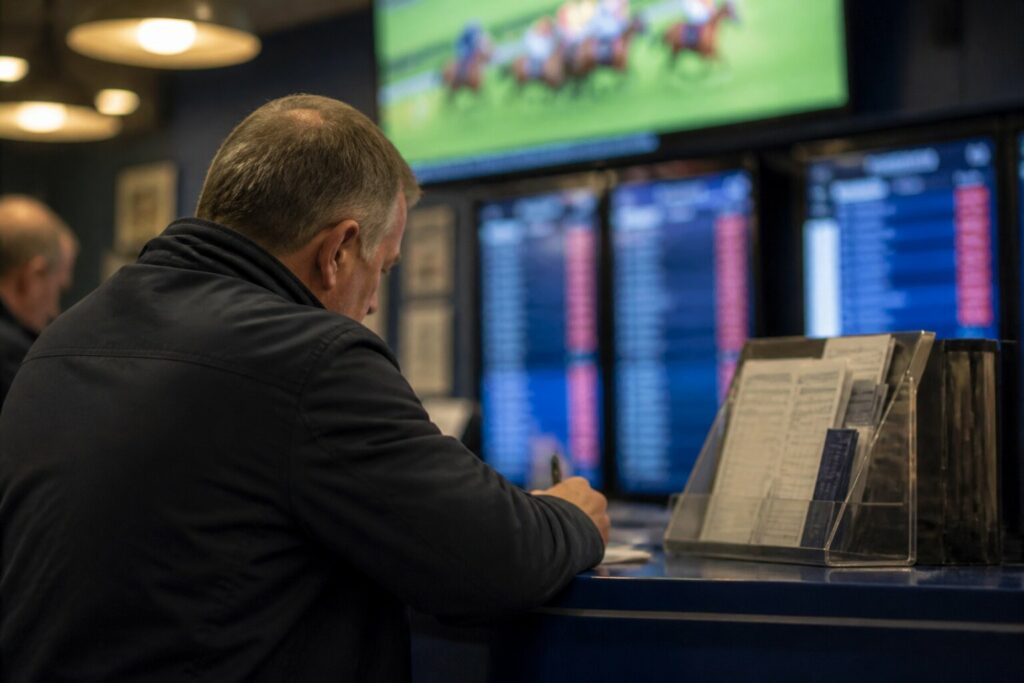
How Bookies Always Make Money: The Hidden Margins to Watch
Ever wondered why bookies so often end up ahead, whatever happens on the field? Behind every market is a carefully constructed margin that gives the operator a steady edge.
That hidden percentage is baked into the odds and quietly shapes the way markets are priced and managed. Understanding how those margins work shows why short-term wins rarely translate into long-term profit.
Read on to uncover the mechanics behind odds, promotions and commissions, and learn what to watch for when you place a bet.
How Do Bookmakers Set Their Odds?
Bookmakers draw on statistics, expert analysis and automated models to assess the probability of each outcome. That process combines form guides, player availability, weather and other relevant data to form an initial view of the likely result. Those probabilities are then converted into odds.
At that conversion point a margin is built in so the implied probabilities add up to more than 100%. Markets are not static: traders and pricing systems monitor incoming bets and news, adjusting odds to reflect fresh information and to keep the balance of exposure under control. When a large volume of money favors one outcome, prices move to attract bets on the other side or discourage further staking.
Transparency about how markets work and clear terms help customers understand the pricing, while active monitoring keeps odds aligned with the most current information. This ongoing pricing activity also leads into the specific concept that ensures a bookie’s edge: the overround.
What Is the Overround and How Does It Work?
The overround is the extra percentage above 100% that appears when the implied probabilities of all possible outcomes are summed. That surplus represents the bookmaker’s margin and is the fundamental mechanism by which a book remains commercially sustainable. It is a structural feature of how odds are quoted rather than a hidden fee, and it exists across most betting markets.
How the Overround Guarantees Profit
Odds are arranged so the total implied probability exceeds 100%. For example, two equally likely outcomes might each be offered at slightly less than even money, which results in a combined total above 100%. Over many events, that excess percentage is what allows the operator to cover running costs, absorb losses on some bets, and meet regulatory obligations while remaining in business.
The size of the overround can vary by market, event and operator. In very competitive markets the margin may be small, while in less liquid markets it can be noticeably higher. That variation helps explain differences in odds you might see across providers.
Calculating the Hidden Edge in Odds
You can convert decimal odds into implied probabilities and add them together to see the overround for any market. If the sum exceeds 100%, the difference between the sum and 100% is the margin. This simple arithmetic reveals the operator edge and shows how markets are constructed to include that margin without obscuring the underlying math from anyone willing to check.
Understanding the overround can also be useful when evaluating promotions and special pricing, since enhanced offers are built on the same framework. Knowing how the margin operates gives clearer context for why some prices look generous and why others do not.
The Role of Commission and Fees in Bookmaking
Some markets, such as exchanges or pool betting, take a commission on winning stakes rather than embedding a margin in the quoted odds. These commissions are applied to payouts and are set out in the operator’s terms and conditions so customers see them before they bet.
Commissions and other charges fund the infrastructure, customer services and the compliance processes required by regulators. They also contribute to measures intended to protect customers and promote safer practices. Clear presentation of these fees is part of responsible provision, so they appear alongside market prices and payout information.
Promotions and special pricing are offered in the context of these charges, and the next section looks at how enhanced odds fit into the wider pricing picture.
Price Boosts and Promotions: Are They Ever in Your Favour?
Promotional enhancements can increase potential returns on selected outcomes, but they are designed within the operator’s overall pricing model. Offers are typically applied to chosen markets or events and may be limited by stake caps, payout limits or eligibility rules.
Even when a price boost improves the payout on a single bet, the bookmaker balances that exposure by adjusting margins elsewhere or limiting the promotion’s scale. The terms that govern promotions explain any restrictions and help make the economics of an offer clear. Checking those conditions before placing a stake ensures there are no surprises.
Knowing how promotions are structured leads naturally into why prices change quickly during an event or leading up to it.
Why Do Bookies Adjust Odds So Quickly?
Odds move in response to new information and shifts in betting patterns. Team news, injuries, weather and significant bets can all prompt rapid repricing. Traders and automated systems work together to keep markets current and to manage risk when money piles onto one outcome.
This continual recalibration aims to reflect up-to-the-minute probabilities while keeping the book balanced so the operator is not overly exposed on a single result. Markets can be particularly sensitive to rumours or late-breaking information, so bookmakers often react quickly to limit potential losses and maintain an even spread of liability across outcomes.
The same speed and data dependence that drive price changes also explain why margins differ between sports and markets. Events with less predictable variables or lower liquidity tend to carry wider margins, while heavily traded markets may show tighter prices but change more often as new information arrives. By adjusting odds promptly, operators ensure a consistent, managed market for customers while protecting their own financial position.
Do All Sports and Markets Carry the Same Margins?
Margins vary according to liquidity, available information and volatility. Popular markets with heavy betting activity and abundant data—such as mainstream football fixtures—often carry lower margins because the larger pool of bets and information helps tighten prices. These markets normally attract professional traders and large volumes of money, which further compresses margins as operators compete on price.
Niche sports or exotic markets, where outcomes are harder to predict and fewer bets are placed, typically carry higher margins to offset the added uncertainty. Less trading activity means prices are more volatile and less efficient, so operators need wider margins to manage risk and ensure they can meet liabilities when results fall against them.
Operators set margins with regulatory standards and market realities in mind, so the level you see reflects both commercial and compliance considerations. Rules from regulatory bodies such as the UK Gambling Commission influence how operators structure odds and manage risk, and many firms also publish information about their pricing policies to promote transparency. Appreciating these differences helps when comparing markets and selecting where to stake.
Common Myths About Beating the Bookie’s Margin
There are many claims that specific systems or tips can consistently overcome the bookmaker’s edge. In practice, margins are calculated to make sustained profit unlikely for most players. Short-term wins occur, but the built-in surplus and the market adjustments described earlier mean long-term gains are difficult to achieve.
Tips and analysis can add context and occasionally identify value, but they do not remove the margin or guarantee success. Viewing betting as a form of paid entertainment rather than a reliable income stream keeps expectations realistic. Tools such as personal limits and clear awareness of fees and terms support safer participation and better decision-making.
By following how odds are made, where margins live and how promotions and commissions operate, you’ll have a clearer picture of what those numbers mean when you place a bet.
**The information provided in this blog is intended for educational purposes and should not be construed as betting advice or a guarantee of success. Always gamble responsibly.